Love this? Save it for later!
Share the inspiration with your friends
My friend Jen asked why I couldn’t just swap in whole wheat pastry flour and cut the sugar. I started to explain why shortbread is a science—too much tinkering and the buttery crumb falls apart. Then I stopped. Honestly, I had no good reason. I was just being stubborn. So I handed her the mixer and said, “Fine. You try.” She did. And the cookies that came out of that oven? They were lighter, brighter, and somehow even more tender than the original. I stood there with a crumb on my apron, completely wrong, and totally delighted about it.
That moment changed how I think about holiday baking. For years, I’d been making the same butter-heavy shortbread recipe my grandmother used, convinced that cutting back meant sacrificing the soul of the cookie. But Jen’s version had this lovely, airy texture—the orange zest sang louder without all that sugar muddling the flavor. The cranberries stayed jewel-bright instead of sinking into a dense, buttery dough. I mean, I was genuinely annoyed at how good they were. But also grateful. You know that feeling when someone accidentally improves your favorite thing?
These lighter cranberry orange shortbread cookies are now my go-to for holiday cookie swaps, afternoon tea, and those moments when I want something sweet without the post-baking slump. They come together with just five ingredients, and they actually taste better the next day—the flavors settle into this perfect harmony. Maybe you’ve been there, holding onto a recipe out of loyalty instead of results. Let me tell you, it’s worth letting go. These cookies are proof that lighter doesn’t mean less. Sometimes it means more.
Why You’ll Love This Recipe
I’ve tested this recipe at least eight times to get the texture just right. The first batch was too crumbly. The second was too dense. But by the fourth attempt, something clicked—the ratio of butter to flour, the way the orange zest needs to sit for a few minutes to release its oils before mixing. This is the version that works every time, and here’s why it deserves a spot in your baking rotation:
- Quick & Easy: From start to finish, these cookies take about 30 minutes. No chilling required, which means you can have fresh shortbread in the time it takes to watch one episode of your favorite show.
- Simple Ingredients: You likely have everything in your pantry right now. Butter, flour, sugar, an orange, and dried cranberries. That’s it.
- Perfect for Holiday Baking: They look gorgeous on a cookie platter, travel well for gift-giving, and freeze beautifully for last-minute hosting emergencies.
- Crowd-Pleaser: I brought these to a cookie exchange last December, and three people asked for the recipe before the first round of cocoa was finished. Even my neighbor who “doesn’t do fruit in cookies” ate four.
- Unbelievably Delicious: The texture is this perfect middle ground—crisp on the edges, tender in the center, with bursts of tart cranberry and bright citrus in every bite. It’s comfort food that doesn’t weigh you down.
What makes this recipe different from the dozens of shortbread recipes out there is the technique. By using a touch less butter and letting the orange zest bloom in the sugar before mixing, you get all the flavor without the heavy feeling. It’s shortbread reimagined—lighter, brighter, but with the same buttery soul that makes you close your eyes after the first bite.
What Ingredients You Will Need
This recipe relies on simple, wholesome ingredients to deliver that classic shortbread texture with a lighter finish. Every ingredient has a job, and none of them are complicated. Here’s what you’ll need and why each one matters:
For the Shortbread Dough
- Unsalted butter, softened (1 stick, 113g) — I use Kerrygold for its rich flavor, but any good-quality unsalted butter works. Make sure it’s truly softened to room temperature, not melted. Cold butter won’t cream properly, and melted butter changes the texture entirely.
- Granulated sugar (⅓ cup, 65g) — Less than traditional shortbread, but enough to give structure and sweetness. The orange zest will be rubbed into this sugar, so don’t skip that step.
- All-purpose flour (1 cup, 120g) — I tested this with whole wheat pastry flour, and it works if you want a more rustic texture. But all-purpose gives that classic tender crumb. For a gluten-free version, use a 1:1 gluten-free baking flour blend.
- Dried cranberries (½ cup, 60g) — Look for ones that are plump and soft, not hard and shriveled. If yours are a bit dry, soak them in hot water for 10 minutes, then pat dry before chopping. I prefer Craisins brand for consistent size and sweetness.
- Fresh orange zest (from 1 large orange) — This is non-negotiable. Bottled zest lacks the oils that make the flavor pop. Use a microplane or fine grater, and only zest the orange part—the white pith is bitter.
- Fresh orange juice (1 tablespoon) — Just enough to bring the dough together without making it wet. Squeeze the orange you zested.
- Pinch of salt (⅛ teaspoon) — Balances the sweetness and enhances the citrus flavor. If you use salted butter, skip this.
Optional Additions
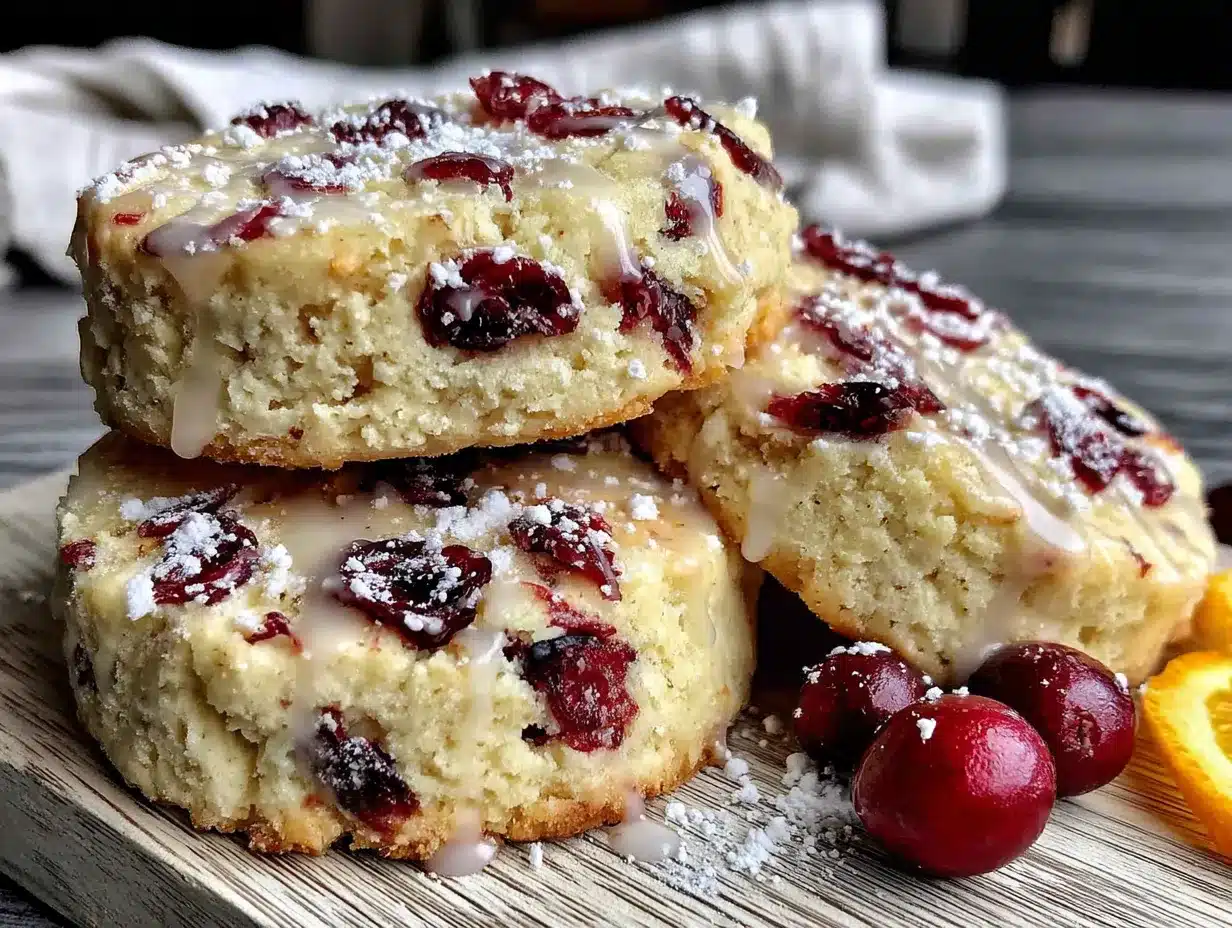
- Powdered sugar for dusting — Adds a pretty finish and a touch of extra sweetness.
- White chocolate chips (¼ cup) — If you want a sweeter cookie, fold these in with the cranberries. The combination is dangerously good.
- Vanilla extract (½ teaspoon) — Not traditional in shortbread, but a tiny splash adds warmth that complements the orange.
I recommend using a good microplane for the orange zest—it makes a noticeable difference in how the flavor distributes through the dough. And if you’re buying dried cranberries specifically for this, get the ones that are sweetened with apple juice instead of sugar for an even lighter touch.
Equipment Needed
You don’t need a lot of fancy tools for this recipe, which is part of why I love it. Here’s what you’ll need:
- Mixing bowls — One medium bowl for the dry ingredients, one large bowl for creaming the butter and sugar. Glass or stainless steel works best.
- Electric hand mixer or stand mixer — A hand mixer is perfect here. You’re only creaming for a minute or two, so a stand mixer feels like overkill. But if you have one, use the paddle attachment.
- Microplane or fine grater — For zesting the orange. A box grater works in a pinch, but a microplane gives finer zest that blends more evenly.
- Baking sheet — A light-colored, rimmed baking sheet works best. Dark sheets can cause the bottoms to brown too quickly.
- Parchment paper or silicone baking mat — Silpat mats are my favorite for even baking and easy cleanup. Parchment paper works just as well.
- Cooling rack — Essential for letting the cookies cool properly without getting soggy bottoms.
- Sharp knife or bench scraper — For cutting the dough into even pieces if you’re making slice-and-bake style.
- Measuring cups and spoons — For accuracy. Shortbread is a ratio-based recipe, so precise measurements matter more than with, say, a stew.
If you don’t have a microplane, you can use the small side of a box grater. Just be careful not to grate your knuckles—I’ve done that more times than I’d like to admit. And if you’re new to baking, a good set of measuring spoons is worth the investment. I still use the same set my mom gave me ten years ago.
Preparation Method
These lighter cranberry orange shortbread cookies come together in about 30 minutes total. The key is not to overwork the dough—shortbread gets tough if you handle it too much. Trust the process, and you’ll have tender, buttery cookies every time.
- Preheat your oven to 350°F (175°C). Line a baking sheet with parchment paper or a silicone mat. This ensures the cookies won’t stick and the bottoms bake evenly.
- Zest your orange into the sugar. In a large mixing bowl, combine the granulated sugar and the orange zest. Use your fingers to rub the zest into the sugar for about 30 seconds. You’ll smell the citrus oils releasing, and the sugar will turn pale orange. This step is crucial—it infuses the entire cookie with orange flavor rather than just having flecks of zest.
- Cream the butter and sugar. Add the softened butter to the orange sugar. Beat with an electric mixer on medium speed for about 2 minutes, until the mixture is light, fluffy, and pale yellow. Scrape down the sides of the bowl once during mixing. If you don’t have a mixer, you can do this by hand with a wooden spoon—it just takes a bit more elbow grease.
- Add the orange juice and salt. Pour in the tablespoon of orange juice and the pinch of salt. Mix on low speed just until combined. The dough will look a bit curdled at this point—that’s normal. Don’t panic.
- Fold in the flour. Add the all-purpose flour all at once. Mix on low speed until just combined. You should see a few streaks of flour remaining—that’s your cue to stop. Overmixing develops gluten, which makes shortbread tough instead of tender.
- Add the cranberries. Gently fold in the dried cranberries with a spatula. If you’re adding white chocolate chips or vanilla, fold those in now too. The dough will be soft but not sticky. If it feels too sticky, refrigerate for 10 minutes.
- Shape the dough. You have two options here. For round cookies, scoop tablespoon-sized portions and roll into balls, then place on the prepared baking sheet about 2 inches apart. Gently flatten each ball with the bottom of a glass or your palm. For slice-and-bake cookies, form the dough into a log about 2 inches in diameter, wrap in parchment paper, and refrigerate for 20 minutes before slicing into ¼-inch rounds.
- Bake for 12-14 minutes. The edges should be lightly golden, but the centers will still look pale and slightly soft. That’s exactly what you want. They continue baking from residual heat after they come out of the oven. If you bake until the centers look done, they’ll be overbaked and dry.
- Cool on the baking sheet for 5 minutes. This allows the cookies to set without breaking. Then transfer to a wire cooling rack to cool completely. If you dust with powdered sugar, wait until they’re fully cool, or the sugar will melt into the cookies.
A few notes from my testing: If your cookies spread too much, your butter was too soft or your oven wasn’t hot enough. If they’re too crumbly, you might have overmixed or used too much flour. The first time I made these, I forgot the orange juice entirely—the cookies were still good, just a bit drier. So don’t stress if you miss a step. They’re forgiving cookies.
Cooking Tips & Techniques
After making these lighter cranberry orange shortbread cookies more times than I can count, I’ve picked up a few tricks that make the process smoother and the results more consistent. Here’s what I wish someone had told me earlier:
Let the zest sit. Rubbing the orange zest into the sugar isn’t just for flavor—it also helps the sugar dissolve more evenly into the butter. Let the mixture sit for 5 minutes before adding the butter if you have time. The difference is subtle but real.
Watch your butter temperature. This is the most common mistake I see. Butter should be softened to the point where it yields to gentle pressure but still holds its shape. If it’s greasy or shiny, it’s too warm. If it’s still cold in the center, it won’t cream properly. Leave it on the counter for about 30 minutes before starting.
Don’t skip the parchment. I once tried to save time by greasing the baking sheet directly. The cookies spread more and the bottoms were unevenly browned. Parchment paper or a silicone mat is worth the extra 30 seconds.
Use a cookie scoop for even sizing. A 1-tablespoon cookie scoop ensures all your cookies are the same size, which means they bake evenly. I learned this after my first batch had some burnt edges and some underdone centers.
Rotate the pan halfway through. Ovens have hot spots. Halfway through baking, rotate the pan 180 degrees. This takes 10 seconds and prevents the cookies on the back edge from overbaking while the front ones are still pale.
Trust the pale center. When you pull these out of the oven, the centers should look underdone. They’ll set as they cool. If you wait until the centers look fully baked, you’ll have dry cookies. I made this mistake exactly once—never again.
Variations & Adaptations
One of the best things about this recipe is how adaptable it is. I’ve tried several variations over the past year, and here are my favorites:
Lemon Blueberry Shortbread: Swap the orange zest and juice for lemon zest and juice, and use dried blueberries instead of cranberries. The lemon-blueberry combination is brighter and more floral. I made these for a spring brunch, and they disappeared before the scones.
Vegan Version: Use vegan butter sticks (not spreadable margarine) and a flax egg (1 tablespoon ground flaxseed + 3 tablespoons water, let sit for 5 minutes). The texture is slightly less tender but still delicious. I tested this with Miyoko’s vegan butter, and it worked surprisingly well.
Gluten-Free Option: Substitute the all-purpose flour with a 1:1 gluten-free baking flour blend that contains xanthan gum. I’ve used Bob’s Red Mill 1:1 Baking Flour with good results. The cookies will be slightly more delicate, so handle them gently when transferring to the cooling rack.
Spiced Version: Add ½ teaspoon of cinnamon and ¼ teaspoon of cardamom to the flour mixture. The warm spices complement the orange beautifully. This version tastes like Christmas in cookie form.
Chocolate-Dipped Shortbread: Once the cookies are completely cool, dip half of each cookie in melted dark chocolate and place on parchment to set. The bitterness of dark chocolate balances the sweetness of the cookie. I did this for a holiday party, and they looked like they came from a bakery.
Lower Sugar Option: Reduce the sugar to ¼ cup (50g). The cookies will be less sweet but still satisfying, especially if you’re using tart cranberries. The orange flavor becomes more pronounced with less sugar competing with it.
Serving & Storage Suggestions
These lighter cranberry orange shortbread cookies are versatile enough for any occasion. Here’s how to serve and store them for the best experience:
Serving Temperature: Serve at room temperature. The texture is most tender when the cookies have cooled completely. If you’re serving them straight from the refrigerator, let them sit out for 10 minutes first. They also pair beautifully with a cup of hot tea, coffee, or a glass of cold milk.
Presentation Ideas: Arrange on a white platter for a clean, elegant look. Dust with powdered sugar just before serving. For gift-giving, stack them in a clear cellophane bag tied with a ribbon, or layer them in a tin with parchment paper between layers. They make lovely hostess gifts during the holiday season.
Storage Instructions: Store in an airtight container at room temperature for up to 5 days. Place a piece of bread in the container to keep them soft—the cookies will absorb moisture from the bread. Replace the bread every other day if needed.
Freezing: These cookies freeze beautifully. Place cooled cookies in a single layer in a freezer-safe container, with parchment paper between layers. Freeze for up to 3 months. To thaw, leave them at room temperature for about 30 minutes. You can also freeze the unbaked dough—shape into a log, wrap tightly in plastic wrap and foil, and freeze for up to 2 months. Slice and bake directly from frozen, adding 2-3 minutes to the baking time.
Flavor Development: Here’s something interesting—these cookies actually taste better on day two. The orange and cranberry flavors meld together overnight, creating a more harmonious taste. So if you can resist eating them all on day one, you’re in for a treat on day two.
Nutritional Information & Benefits
These lighter cranberry orange shortbread cookies are designed to be a more balanced treat without sacrificing flavor. Here’s the nutritional breakdown per cookie (based on 24 cookies):
| Nutrient | Amount Per Cookie |
|---|---|
| Calories | 85 |
| Total Fat | 4g |
| Saturated Fat | 2.5g |
| Carbohydrates | 11g |
| Fiber | 0.5g |
| Sugar | 5g |
| Protein | 1g |
Key Health Benefits: Dried cranberries are packed with antioxidants and vitamin C, which support immune health. Oranges provide additional vitamin C and anti-inflammatory compounds. Using less butter and sugar than traditional shortbread means each cookie has about 30 fewer calories and 2g less sugar than a standard shortbread cookie.
Dietary Considerations: This recipe is vegetarian. For vegan and gluten-free options, see the variations section above. These cookies are low in sodium (about 15mg per cookie) and contain no artificial flavors or preservatives.
Personal Perspective: I love that these cookies let me enjoy a sweet treat without the heavy feeling that often comes with traditional shortbread. They’re proof that you don’t need a ton of butter and sugar to make something truly satisfying. It’s about balance—enjoying food that tastes good and makes you feel good too.
Conclusion
These lighter cranberry orange shortbread cookies have become a staple in my kitchen for good reason. They’re simple enough for a Tuesday afternoon baking session but elegant enough for holiday cookie platters. The bright citrus, tart cranberries, and tender buttery crumb come together in a way that feels both nostalgic and fresh.
I hope you give them a try and make them your own. Maybe you’ll add a splash of vanilla, dip them in chocolate, or experiment with different citrus fruits. That’s the beauty of a simple recipe—it leaves room for your creativity. And honestly, that’s what cooking and baking are all about: finding what works for you and sharing it with the people you love.
If you make these cookies, I’d love to hear how they turned out. Drop a comment below or tag me in your photos. And if you’re looking for more lighter dessert ideas, check out my lemon ricotta cookies or these almond flour chocolate chip cookies for another simple, satisfying treat. Happy baking!
Frequently Asked Questions
Can I use fresh cranberries instead of dried?
I wouldn’t recommend it. Fresh cranberries have too much moisture, which will make the dough soggy and cause the cookies to spread unevenly. Stick with dried cranberries for the best texture. If all you have are fresh, you can dry them in a low oven (200°F) for about an hour, but it’s easier to just buy dried.
Why did my cookies spread too much?
This usually happens when the butter is too soft or the dough is too warm. Make sure your butter is softened but not melted, and if your kitchen is warm, refrigerate the shaped dough for 15 minutes before baking. Also, check that your oven is at the correct temperature—an oven that’s too cool can cause spreading.
Can I make these cookies without a mixer?
Absolutely. You can cream the butter and sugar by hand with a wooden spoon. It takes a bit more effort—about 3-4 minutes of vigorous stirring—but it works perfectly. Just make sure your butter is properly softened to make the job easier.
How do I get the orange flavor to really pop?
The key is rubbing the zest into the sugar before adding the butter. This releases the essential oils from the zest and infuses the entire cookie with citrus flavor. Also, use a microplane for the finest zest—larger pieces of zest don’t distribute as evenly.
Can I double this recipe?
Yes, this recipe doubles beautifully. Just make sure you’re using a large enough bowl to cream the butter and sugar properly. You may need to bake in batches, but the dough holds up well. If you’re making a double batch, consider freezing half of the dough for later.
Pin This Recipe!

Lighter Cranberry Orange Shortbread Cookies (Easy 5-Ingredient Recipe)

These lighter cranberry orange shortbread cookies are tender, buttery, and bright with citrus. Made with just five simple ingredients, they come together in about 30 minutes and taste even better the next day.
- Prep Time: 15 minutes
- Cook Time: 12-14 minutes
- Total Time: 30 minutes
- Yield: 24 cookies 1x
- Category: Dessert
- Cuisine: American
Ingredients
- 1 stick (113g) unsalted butter, softened
- ⅓ cup (65g) granulated sugar
- 1 cup (120g) all-purpose flour
- ½ cup (60g) dried cranberries
- Zest of 1 large orange
- 1 tablespoon fresh orange juice
- ⅛ teaspoon salt
- Optional: powdered sugar for dusting
- Optional: ¼ cup white chocolate chips
- Optional: ½ teaspoon vanilla extract
Instructions
- Preheat your oven to 350°F (175°C). Line a baking sheet with parchment paper or a silicone mat.
- In a large mixing bowl, combine the granulated sugar and orange zest. Use your fingers to rub the zest into the sugar for about 30 seconds until fragrant and pale orange.
- Add the softened butter to the orange sugar. Beat with an electric mixer on medium speed for about 2 minutes, until light, fluffy, and pale yellow. Scrape down the sides once.
- Add the orange juice and salt. Mix on low speed just until combined. The dough may look curdled—that’s normal.
- Add the all-purpose flour all at once. Mix on low speed until just combined, with a few streaks of flour remaining. Do not overmix.
- Gently fold in the dried cranberries (and optional white chocolate chips or vanilla) with a spatula. The dough will be soft but not sticky. If too sticky, refrigerate for 10 minutes.
- Shape the dough: For round cookies, scoop tablespoon-sized portions, roll into balls, place 2 inches apart on the baking sheet, and flatten gently. For slice-and-bake, form into a 2-inch diameter log, wrap in parchment, refrigerate 20 minutes, then slice into ¼-inch rounds.
- Bake for 12-14 minutes, until edges are lightly golden but centers still look pale and soft. Rotate the pan halfway through.
- Cool on the baking sheet for 5 minutes, then transfer to a wire cooling rack to cool completely. Dust with powdered sugar if desired after fully cooled.
Notes
Let the orange zest sit in the sugar for 5 minutes before adding butter for more flavor. Butter should be softened but not melted. If cookies spread too much, refrigerate dough before baking. These cookies taste even better on day two. Store in an airtight container at room temperature for up to 5 days, or freeze for up to 3 months.
Nutrition
- Serving Size: 1 cookie
- Calories: 85
- Sugar: 5
- Sodium: 15
- Fat: 4
- Saturated Fat: 2.5
- Carbohydrates: 11
- Fiber: 0.5
- Protein: 1
Keywords: shortbread cookies, cranberry orange, lighter shortbread, easy cookie recipe, 5-ingredient cookies, holiday cookies