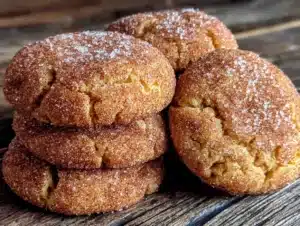
Love this? Save it for later!
Share the inspiration with your friends
I was standing in the middle of a crowded farmers’ market last October, clutching a bag of Honeycrisp apples I definitely didn’t need, when the woman running the cider stall handed me a paper cup without saying a word. “Just taste it,” she finally said, nodding at the steam rising from the cup. It was hot mulled cider, but it had this almost cake-like richness to it—spiced, deep, and somehow cozy in a way that made me forget my cold toes. I asked her what her secret was, and she just laughed and pointed to the pile of apple scraps next to her press. “Nothing goes to waste here.” I bought a gallon of that cider, took it home, and spent the rest of the weekend trying to capture that same warmth in cake form. The first attempt was a disaster—soggy bottom, flat top, and a kitchen that smelled like a candle shop exploded. But the third try? That was the one. Honestly, I think I’ve made this cake at least a dozen times since then, and it still makes me close my eyes after the first bite. Maybe you’ve been there—chasing a flavor from a memory, determined to get it right.
Why You’ll Love This Recipe
Let me tell you why this apple cider donut cake is different from every other fall dessert you’ve tried. I tested this recipe seven times before I got the texture exactly right—not too dense, not too light, but that perfect in-between that reminds you of a fresh apple cider donut from a orchard stand. You know that feeling when you bite into a donut and get that slight crunch from the cinnamon sugar coating, followed by the soft, tender crumb inside? That’s exactly what this cake delivers, but without the hassle of deep frying.
- Quick & Easy: Comes together in under an hour, with just 15 minutes of active prep time. Perfect for those sudden cravings or unexpected guests.
- Simple Ingredients: No fancy grocery trips needed. You probably have most of these in your pantry right now—flour, sugar, butter, eggs, and of course, apple cider.
- Perfect for Fall Gatherings: Great for Thanksgiving brunch, Halloween parties, or just a cozy Sunday morning with coffee.
- Crowd-Pleaser: I brought this to a potluck last month, and three people asked for the recipe before I even sat down.
- Unbelievably Delicious: The combination of reduced apple cider and warm spices creates a flavor that’s somehow both familiar and surprising.
What makes this recipe stand out is the technique of reducing the apple cider before adding it to the batter. Most recipes just dump in regular cider, but reducing it concentrates the apple flavor and removes excess liquid that would make the cake soggy. It’s a small extra step that makes a huge difference. This isn’t just another apple cake—it’s the one that will become your go-to for every fall occasion.
What Ingredients You Will Need
This recipe uses simple, wholesome ingredients that work together to create that signature apple cider donut flavor and tender texture. Most of these are pantry staples, so you might not even need a trip to the store.
For the Cake
- 2 cups apple cider (unfiltered is best for stronger flavor; I prefer the local stuff from the farmers’ market, but any good quality cider works)
- 2 ½ cups all-purpose flour (spooned and leveled—don’t scoop directly from the bag or you’ll end up with a dry cake)
- 1 ½ teaspoons baking powder
- 1 teaspoon baking soda
- 1 teaspoon ground cinnamon (I use Saigon cinnamon for its warm, bold flavor)
- ½ teaspoon ground nutmeg (freshly grated if you have it—the difference is noticeable)
- ½ teaspoon salt (I use fine sea salt)
- ½ cup unsalted butter, softened to room temperature (adds richness and tenderness)
- 1 cup granulated sugar
- ½ cup packed light brown sugar (adds moisture and a hint of molasses flavor)
- 2 large eggs, room temperature
- 1 teaspoon vanilla extract
- ½ cup buttermilk (or make your own by adding 1 tablespoon lemon juice to ½ cup milk and letting it sit for 5 minutes)
For the Cinnamon Sugar Coating
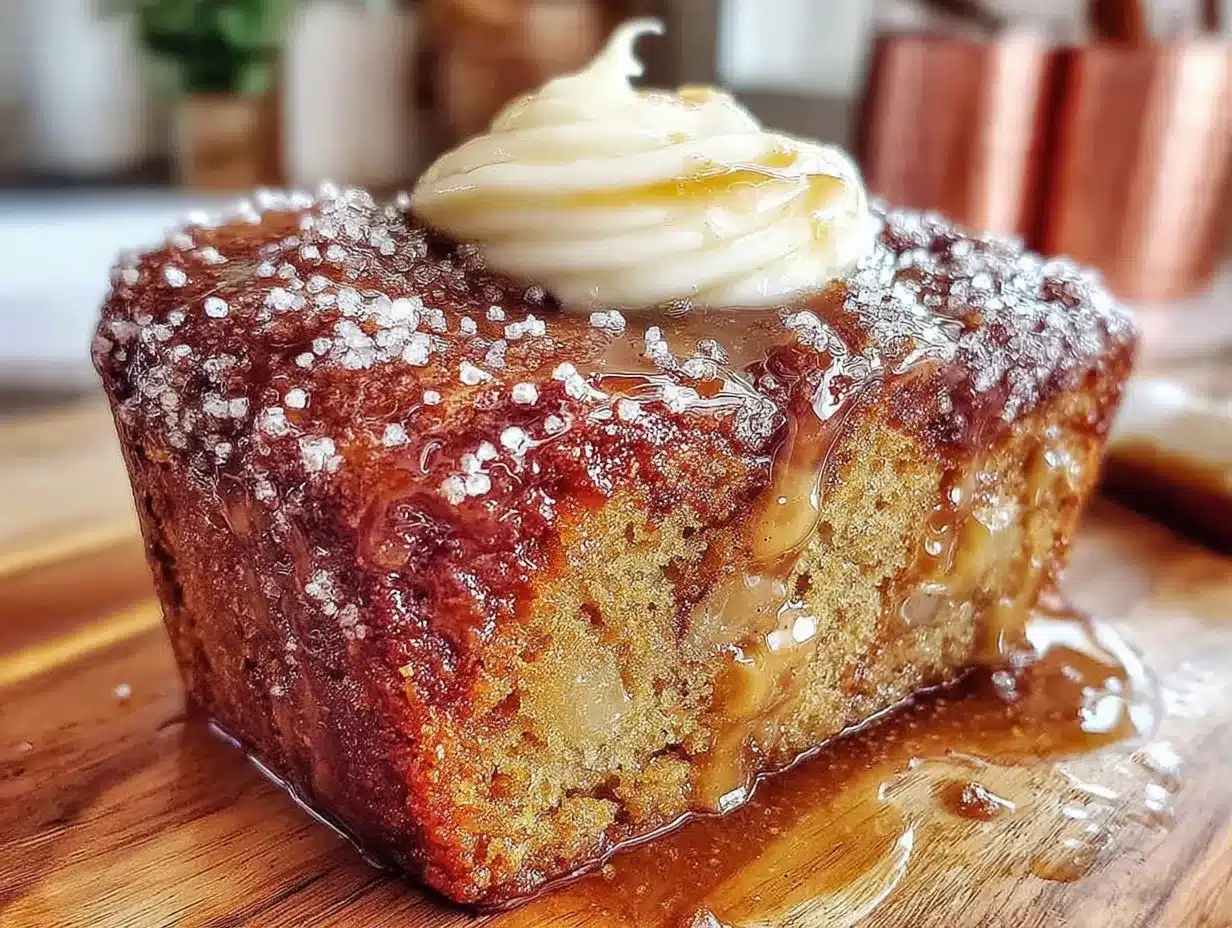
- ½ cup granulated sugar
- 1 ½ tablespoons ground cinnamon
- ¼ cup unsalted butter, melted (for brushing on the warm cake)
Ingredient Tips
For the best results, use fresh apple cider—not apple juice. Apple cider has that tangy, slightly fermented flavor that makes these donut cakes taste authentic. If you can’t find cider, you can substitute with unfiltered apple juice, but you’ll miss some of that complexity. I’ve tested this with both, and trust me, the cider version wins every time.
For a dairy-free option, use plant-based butter and swap the buttermilk with almond milk mixed with a teaspoon of apple cider vinegar. The texture will be slightly different but still delicious.
Equipment Needed
You don’t need any fancy equipment for this recipe, which is part of why I love it. Here’s what you’ll need:
- 10-inch bundt pan (or a 9-inch tube pan; a standard loaf pan works too, but you’ll need to adjust baking time)
- Medium saucepan for reducing the apple cider
- Large mixing bowl and medium mixing bowl
- Electric hand mixer or stand mixer (you can do this by hand, but your arm will get a workout)
- Whisk for combining dry ingredients
- Rubber spatula for folding the batter
- Cooling rack
- Pastry brush for applying the melted butter (a silicone one works great)
If you don’t have a bundt pan, don’t worry. I’ve made this in a 9×13 inch baking dish before, and it turned out just fine—just reduce the baking time by about 10 minutes and keep an eye on it. The presentation won’t be as fancy, but the taste is exactly the same.
Preparation Method
- Reduce the apple cider: Pour the 2 cups of apple cider into a medium saucepan and bring it to a boil over medium-high heat. Reduce the heat to medium-low and let it simmer, stirring occasionally, until it reduces to about ½ cup. This takes about 15-20 minutes. You’ll know it’s done when it’s thick and syrupy, and it coats the back of a spoon. Set it aside to cool completely—don’t add hot cider to your butter mixture or you’ll end up with scrambled eggs.
- Preheat and prep: Preheat your oven to 350°F (175°C). Generously grease your bundt pan with butter or non-stick spray, making sure to get into all the crevices. Dust it lightly with flour and tap out the excess—this is the best way to ensure your cake releases cleanly.
- Mix the dry ingredients: In a medium bowl, whisk together the flour, baking powder, baking soda, cinnamon, nutmeg, and salt. Set this aside while you work on the wet ingredients.
- Cream the butter and sugars: In a large bowl, beat the softened butter, granulated sugar, and brown sugar together with an electric mixer on medium speed until light and fluffy—about 3-4 minutes. Scrape down the sides of the bowl halfway through. The mixture should look pale and almost doubled in volume.
- Add the eggs and vanilla: Beat in the eggs one at a time, making sure each one is fully incorporated before adding the next. Add the vanilla extract and beat for another 30 seconds. The mixture might look slightly curdled at this point—that’s okay, it’ll come together when you add the flour.
- Alternate the dry and wet ingredients: With the mixer on low speed, add about one-third of the flour mixture to the butter mixture, mixing until just combined. Add half of the buttermilk and mix again. Repeat with another third of the flour, the remaining buttermilk, and finally the last third of the flour. Stop mixing as soon as the last streaks of flour disappear—overmixing will make your cake tough.
- Fold in the reduced cider: Gently fold the cooled reduced apple cider into the batter with a rubber spatula. Don’t overmix here either; just fold until the cider is evenly distributed. The batter will be thick and smell absolutely incredible at this point.
- Bake the cake: Pour the batter into the prepared bundt pan and spread it evenly with the spatula. Bake for 40-45 minutes, or until a toothpick inserted into the center comes out clean or with just a few moist crumbs attached. The top should be golden brown and the kitchen should smell like a fall candle.
- Cool in the pan: Let the cake cool in the pan on a wire rack for 15 minutes. This is crucial—if you try to remove it too soon, it will fall apart. After 15 minutes, invert the pan onto the cooling rack and gently lift it off. Let the cake cool completely, about 1 hour.
- Apply the cinnamon sugar coating: While the cake is still slightly warm (not hot), mix the sugar and cinnamon together in a small bowl. Brush the entire surface of the cake with melted butter, then generously sprinkle or roll the cake in the cinnamon sugar mixture. I like to do this over a sheet pan to catch the excess, which I then sprinkle on top for extra crunch.
Cooking Tips & Techniques
I learned a few things the hard way while developing this recipe, so let me save you some trouble. First, don’t skip the step of cooling the reduced cider. I made that mistake once, and the hot cider immediately melted the butter in my batter, leaving me with a greasy, flat cake that tasted more like butter than apple. Let it cool to room temperature—about 20 minutes on the counter does the trick.
Another thing I’ve learned: the cinnamon sugar coating is best applied while the cake is still slightly warm, but not hot. If the cake is too hot, the butter will soak in completely and the sugar won’t stick. If it’s too cold, the butter won’t spread evenly. I usually wait about 10 minutes after the cake has cooled on the rack, then brush on the butter and sprinkle the sugar mixture. The result is a crunchy, sweet crust that stays put.
For the most tender crumb, make sure your butter and eggs are truly at room temperature. I know it’s tempting to microwave the butter to speed things up, but melted butter won’t cream properly with the sugar, and you’ll lose that light, fluffy texture. Take the butter out of the fridge an hour before you start baking—set a timer if you have to.
One more tip: if you’re making this for a crowd, you can bake it a day ahead and store it in an airtight container at room temperature. The flavors actually get better overnight as the spices meld together. Just wait to add the cinnamon sugar coating until right before serving, or it will get soggy.
Variations & Adaptations
This recipe is pretty forgiving, so feel free to play around with it. Here are some variations I’ve tried and loved:
- Gluten-Free Version: Substitute the all-purpose flour with a good quality gluten-free flour blend that includes xanthan gum. I’ve used Bob’s Red Mill 1-to-1 Baking Flour with great results. The texture is slightly more crumbly, but the flavor is still spot on.
- Vegan Adaptation: Use vegan butter and replace the eggs with flax eggs (1 tablespoon ground flaxseed mixed with 3 tablespoons water per egg). The cake will be a bit denser, but the apple cider flavor still shines through beautifully.
- Spice It Up: Add ¼ teaspoon ground cloves or allspice to the dry ingredients for an even warmer, more complex spice profile. I tried this during a particularly chilly November weekend, and it was like wrapping yourself in a blanket.
- Apple Chunks: Fold in 1 cup of finely diced fresh apple (about 1 medium apple) along with the reduced cider. This adds little pockets of tender fruit throughout the cake. Just make sure to peel the apple first, or the skin will create tough spots.
- Glazed Version: Instead of the cinnamon sugar coating, make a simple glaze with 1 cup powdered sugar, 2 tablespoons apple cider, and ½ teaspoon cinnamon. Drizzle it over the cooled cake for a more elegant presentation.
Serving & Storage Suggestions
This cake is best served at room temperature, with the cinnamon sugar coating still crunchy. I love it with a hot cup of coffee or a glass of cold milk—it’s the kind of dessert that makes you want to curl up on the couch with a good book.
For a more decadent serving, warm a slice in the microwave for about 15 seconds and top it with a scoop of vanilla ice cream or a dollop of whipped cream. The warmth melts the ice cream slightly, creating this amazing sauce that soaks into the cake. I may or may not have done this for breakfast more than once.
To store leftovers, keep the cake in an airtight container at room temperature for up to 3 days. The cinnamon sugar coating will soften over time, but the cake itself stays moist and delicious. If you want to keep the coating crunchy, store the cake without the coating and add it just before serving.
This cake also freezes beautifully. Wrap it tightly in plastic wrap, then in foil, and freeze for up to 3 months. Thaw overnight in the refrigerator, then bring to room temperature before serving. I usually make two at a time—one for now, one for later.
Nutritional Information & Benefits
Here’s the estimated nutritional breakdown for one slice (based on 12 servings):
- Calories: 385
- Total Fat: 16g
- Saturated Fat: 10g
- Cholesterol: 72mg
- Sodium: 310mg
- Total Carbohydrates: 58g
- Dietary Fiber: 1g
- Sugars: 38g
- Protein: 4g
While this is definitely a treat, there are some redeeming qualities. Apple cider contains antioxidants called polyphenols, which can help reduce inflammation and support heart health. The cinnamon in this recipe is also packed with antioxidants and has been shown to help regulate blood sugar levels. Plus, the buttermilk adds calcium and probiotics, which are great for digestive health.
If you’re watching your sugar intake, you can reduce the granulated sugar to ¾ cup and the brown sugar to ⅓ cup without significantly affecting the texture. The cake will be slightly less sweet, but the apple flavor will shine through even more.
Conclusion
This cozy apple cider donut cake is everything I love about fall baking—warm spices, deep apple flavor, and that irresistible cinnamon sugar crunch. It’s the kind of recipe that feels special enough for a holiday gathering but simple enough for a random Tuesday afternoon when you just need something sweet.
I hope you give this recipe a try and make it your own. Maybe add a little extra cinnamon, or swap the nutmeg for cardamom. The beauty of baking is that every version tells a slightly different story. I’d love to hear how yours turns out—leave a comment below and let me know what variations you tried, or tag me in your photos on social media. Happy baking, friends!
Frequently Asked Questions
Can I use apple juice instead of apple cider?
You can, but the flavor won’t be as rich or tangy. Apple juice is sweeter and less complex than cider, so your cake will taste more like a standard apple cake. If you’re in a pinch, add a teaspoon of lemon juice to the apple juice to mimic some of that tanginess.
Why did my cake stick to the bundt pan?
This usually happens when the pan isn’t greased thoroughly, especially in the crevices. I recommend using a pastry brush to apply a thick layer of softened butter or shortening, then dusting with flour. You can also use a baking spray that contains flour—it’s a lifesaver for bundt pans.
Can I make this recipe into actual donuts?
Absolutely! The batter works great for baked donuts. Grease a donut pan, fill each cavity about ⅔ full, and bake at 350°F for 10-12 minutes. Brush with melted butter and coat with cinnamon sugar while still warm. You’ll get about 18 donuts from this recipe.
How do I know when the reduced cider is ready?
The cider is ready when it has reduced to about ½ cup and has a syrupy consistency. It should coat the back of a spoon and look slightly darker than when you started. Don’t let it go too far, though—if it gets too thick, it can turn into caramel and harden.
Can I use a different pan size?
Yes, you can use a 9×13 inch baking dish, a loaf pan, or even make cupcakes. For a 9×13 pan, bake for 30-35 minutes. For a loaf pan, bake for 50-60 minutes. For cupcakes, bake for 15-18 minutes. Always test with a toothpick to be sure.
Pin This Recipe!
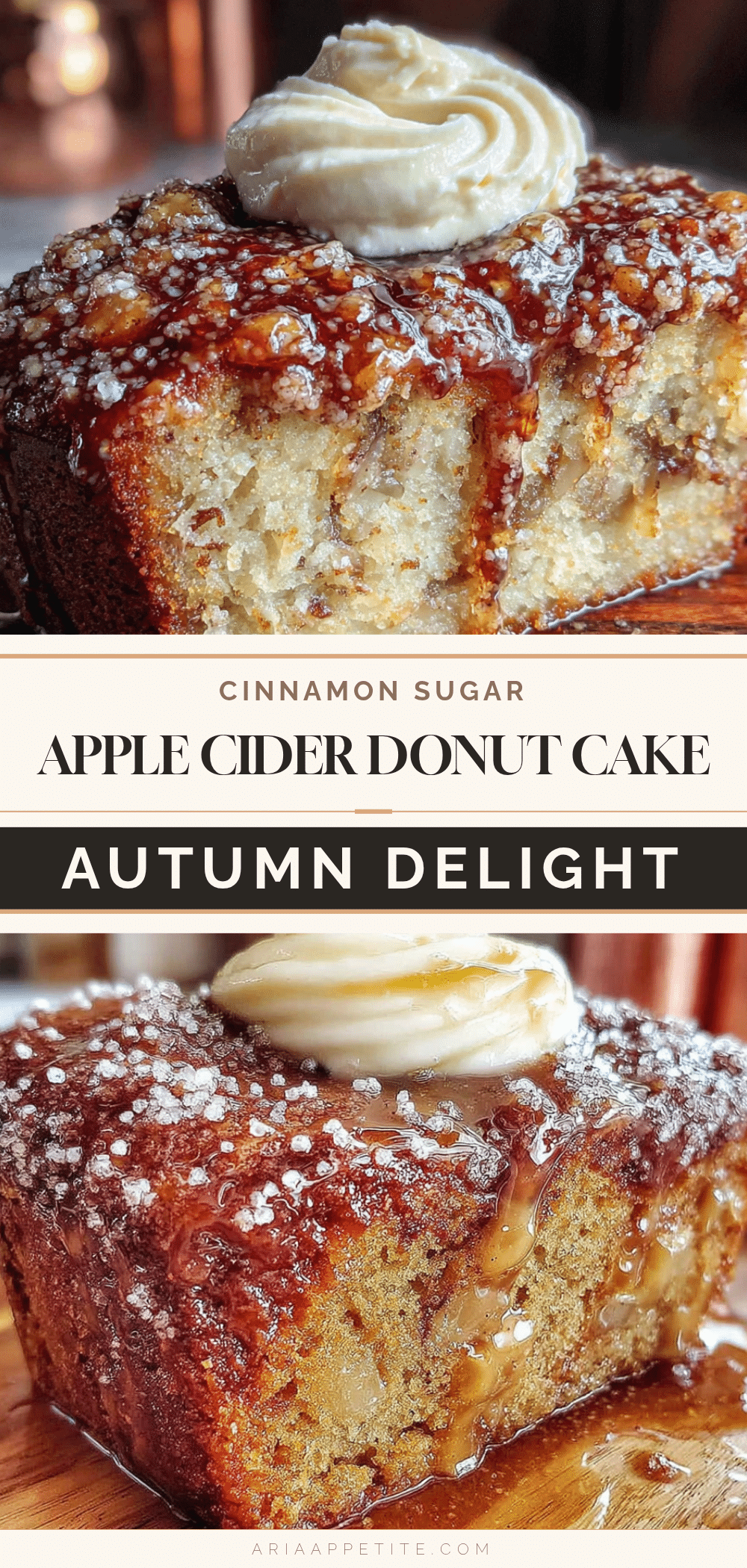
Cozy Apple Cider Donut Cake with Cinnamon Sugar
This apple cider donut cake captures the warm, spiced flavor of a fresh apple cider donut in an easy-to-make bundt cake form. With a tender crumb and a crunchy cinnamon sugar coating, it’s the perfect fall dessert for any gathering.
- Prep Time: 15 minutes
- Cook Time: 40-45 minutes
- Total Time: 1 hour 15 minutes (including cooling)
- Yield: 12 servings 1x
- Category: Dessert
- Cuisine: American
Ingredients
- 2 cups apple cider (unfiltered preferred)
- 2 ½ cups all-purpose flour (spooned and leveled)
- 1 ½ teaspoons baking powder
- 1 teaspoon baking soda
- 1 teaspoon ground cinnamon (Saigon cinnamon recommended)
- ½ teaspoon ground nutmeg (freshly grated preferred)
- ½ teaspoon fine sea salt
- ½ cup unsalted butter, softened to room temperature
- 1 cup granulated sugar
- ½ cup packed light brown sugar
- 2 large eggs, room temperature
- 1 teaspoon vanilla extract
- ½ cup buttermilk (or ½ cup milk + 1 tablespoon lemon juice)
- ½ cup granulated sugar (for coating)
- 1 ½ tablespoons ground cinnamon (for coating)
- ¼ cup unsalted butter, melted (for coating)
Instructions
- Reduce the apple cider: Pour 2 cups apple cider into a medium saucepan and bring to a boil over medium-high heat. Reduce heat to medium-low and simmer, stirring occasionally, until reduced to about ½ cup (15-20 minutes). Set aside to cool completely.
- Preheat and prep: Preheat oven to 350°F (175°C). Generously grease a 10-inch bundt pan with butter or non-stick spray, dust with flour, and tap out excess.
- Mix dry ingredients: In a medium bowl, whisk together flour, baking powder, baking soda, cinnamon, nutmeg, and salt. Set aside.
- Cream butter and sugars: In a large bowl, beat softened butter, granulated sugar, and brown sugar with an electric mixer on medium speed until light and fluffy (3-4 minutes). Scrape down sides as needed.
- Add eggs and vanilla: Beat in eggs one at a time, fully incorporating each. Add vanilla extract and beat for 30 seconds.
- Alternate dry and wet ingredients: With mixer on low, add one-third of flour mixture, mixing until just combined. Add half of buttermilk and mix. Repeat with another third of flour, remaining buttermilk, and final third of flour. Stop mixing when streaks disappear.
- Fold in reduced cider: Gently fold cooled reduced apple cider into batter with a rubber spatula until evenly distributed.
- Bake: Pour batter into prepared bundt pan and spread evenly. Bake for 40-45 minutes, or until a toothpick inserted in center comes out clean or with a few moist crumbs.
- Cool in pan: Let cake cool in pan on a wire rack for 15 minutes. Invert onto rack and cool completely (about 1 hour).
- Apply cinnamon sugar coating: While cake is slightly warm, mix ½ cup sugar and 1 ½ tablespoons cinnamon in a small bowl. Brush entire cake surface with melted butter, then generously sprinkle or roll in cinnamon sugar mixture.
Notes
Don’t skip cooling the reduced cider—adding hot cider will melt the butter and ruin the texture. For best cinnamon sugar coating, apply while cake is slightly warm (not hot). Cake can be made a day ahead; store without coating and add before serving. Freezes well for up to 3 months.
Nutrition
- Serving Size: 1 slice
- Calories: 385
- Sugar: 38
- Sodium: 310
- Fat: 16
- Saturated Fat: 10
- Carbohydrates: 58
- Fiber: 1
- Protein: 4
Keywords: apple cider donut cake, fall dessert, bundt cake, cinnamon sugar, apple cake, easy fall recipe