Love this? Save it for later!
Share the inspiration with your friends
It was 11:47 PM on a random Tuesday in November, and I had a very specific craving for something warm, spiced, and chewy. I didn’t have the fancy cookie cutters or the patience for a rolled-and-cut cookie situation that a normal person would use, but I had a half-empty jar of molasses from a previous baking project and this wild idea that maybe—just maybe—I could skip the chilling step entirely. Honestly, I was tired. The kitchen was a mess from dinner. But that craving? It wasn’t going anywhere.
So I stood there in my pajamas, mixing bowl balanced precariously on the counter, and started throwing things together. I grabbed the dark brown sugar instead of light because that’s what was open. I used a cookie scoop I’d bought on a whim and never used. And I skipped the refrigeration step that every gingerbread recipe swears by. Let me tell you, I was fully prepared for a flat, crispy disaster. But what came out of the oven around midnight was something else entirely—soft, pillowy, domed cookies with that deep, molasses-y kick and a crackled top that looked like they belonged in a bakery window.
It was one of those moments where being too tired to follow the rules actually worked in my favor. You know that feeling when you’re just done with perfectionism and decide to go rogue? That was this cookie. And now, I literally cannot make them any other way. They’ve become my go-to for every holiday gathering, every potluck, and every time I need to show up somewhere with a plate of something that makes people close their eyes and go quiet for a second. Maybe you’ve been there—late at night, chasing a flavor, and stumbling onto something better than the original plan. These soft gingerbread cookies with molasses are that happy accident I keep coming back to.
Why You’ll Love This Recipe
I’ve tested this recipe more times than I care to count, and let me tell you—it’s the one I reach for when I need to impress without the stress. After years of tweaking ratios and testing different fat-to-flour combos, I landed on this version that delivers every single time. Here’s why these cookies are different from every other gingerbread recipe out there.
- Soft and Chewy, Not Hard: Most gingerbread cookies turn into hockey pucks by day two. Not these. The secret is in how we handle the butter and sugar—creaming them longer than you think you should creates a structure that stays tender for days.
- Deep Molasses Flavor: We’re using a full half-cup of molasses here. Not the watered-down stuff, but the real, robust molasses that gives these cookies their signature warmth and complexity. It’s the difference between a cookie that tastes like spice and one that tastes like memory.
- No Chilling Required: I know, I know—every gingerbread recipe says you have to chill the dough. But after that late-night experiment, I can tell you with confidence: you don’t. This dough goes straight from bowl to oven, which means you can have fresh cookies in under 20 minutes.
- Perfect for a Crowd: This recipe scales beautifully. I’ve made quadruple batches for holiday parties, and they always disappear first. They’re sturdy enough to stack on a platter, pretty enough to gift, and forgiving enough that you don’t need to be a pastry chef.
- Holiday Magic Without the Fuss: Whether you’re hosting a cookie exchange, bringing dessert to a Friendsgiving, or just want your kitchen to smell like December, these cookies deliver that cozy, nostalgic feeling without hours of work.
This isn’t just another gingerbread cookie recipe. It’s the one that makes people say, “Wait, can I get that recipe?” before they’ve even finished chewing. It’s comfort in cookie form—soft, spiced, and absolutely unforgettable.
What Ingredients You Will Need
This recipe uses simple, pantry-friendly ingredients that come together to create something truly special. The magic is in how they work together—each one plays a specific role in building that soft texture and deep, spiced flavor.
For the Cookies
- Unsalted butter, softened (1 cup / 2 sticks) — I prefer using unsalted so I can control the salt level myself. Let it sit out for at least 30 minutes before starting; cold butter won’t cream properly and will give you dense cookies.
- Dark brown sugar, packed (1 cup / 200g) — Don’t substitute light brown sugar here. The extra molasses content in dark brown sugar deepens the flavor and keeps the cookies ultra-soft. I’ve tested this with both, and dark brown wins every time.
- Grandma’s Molasses (1/2 cup / 170g) — This is my go-to brand. It’s robust without being bitter, and it gives these cookies that signature color and chew. Look for unsulphured molasses—it has a cleaner, sweeter flavor.
- Large egg (1, room temperature) — A room-temperature egg incorporates into the creamed butter and sugar much more evenly than a cold one. If you forgot to take it out ahead of time, place it in a bowl of warm water for 5 minutes.
- Vanilla extract (1 teaspoon) — Pure vanilla, not imitation. It rounds out the spices and adds a subtle warmth that you can’t quite identify but would miss if it were gone.
- All-purpose flour (2 1/4 cups / 280g) — Spoon and level your flour—don’t scoop directly from the bag. Scooping packs the flour down and can add an extra 1/4 cup to your dough, making the cookies dry and cakey.
- Baking soda (2 teaspoons) — This is what gives the cookies their crackled tops and soft centers. Don’t skip it, and make sure it’s fresh (test it by dropping a pinch into vinegar—it should fizz vigorously).
- Ground ginger (2 teaspoons) — Freshly opened spices make a huge difference here. If your ginger has been sitting in the cabinet for more than a year, it’s time to replace it.
- Ground cinnamon (1 1/2 teaspoons) — I use Saigon cinnamon when I can find it—it’s warmer and more aromatic than standard cassia cinnamon.
- Ground cloves (1/2 teaspoon) — A little goes a long way. Cloves are potent, so measure carefully.
- Ground nutmeg (1/4 teaspoon) — Freshly grated if you have it, but pre-ground works fine. Just make sure it smells fragrant and not dusty.
- Salt (1/2 teaspoon) — Fine sea salt is my preference. It dissolves evenly and doesn’t leave crunchy bits in the dough.
For Rolling (Optional but Recommended)
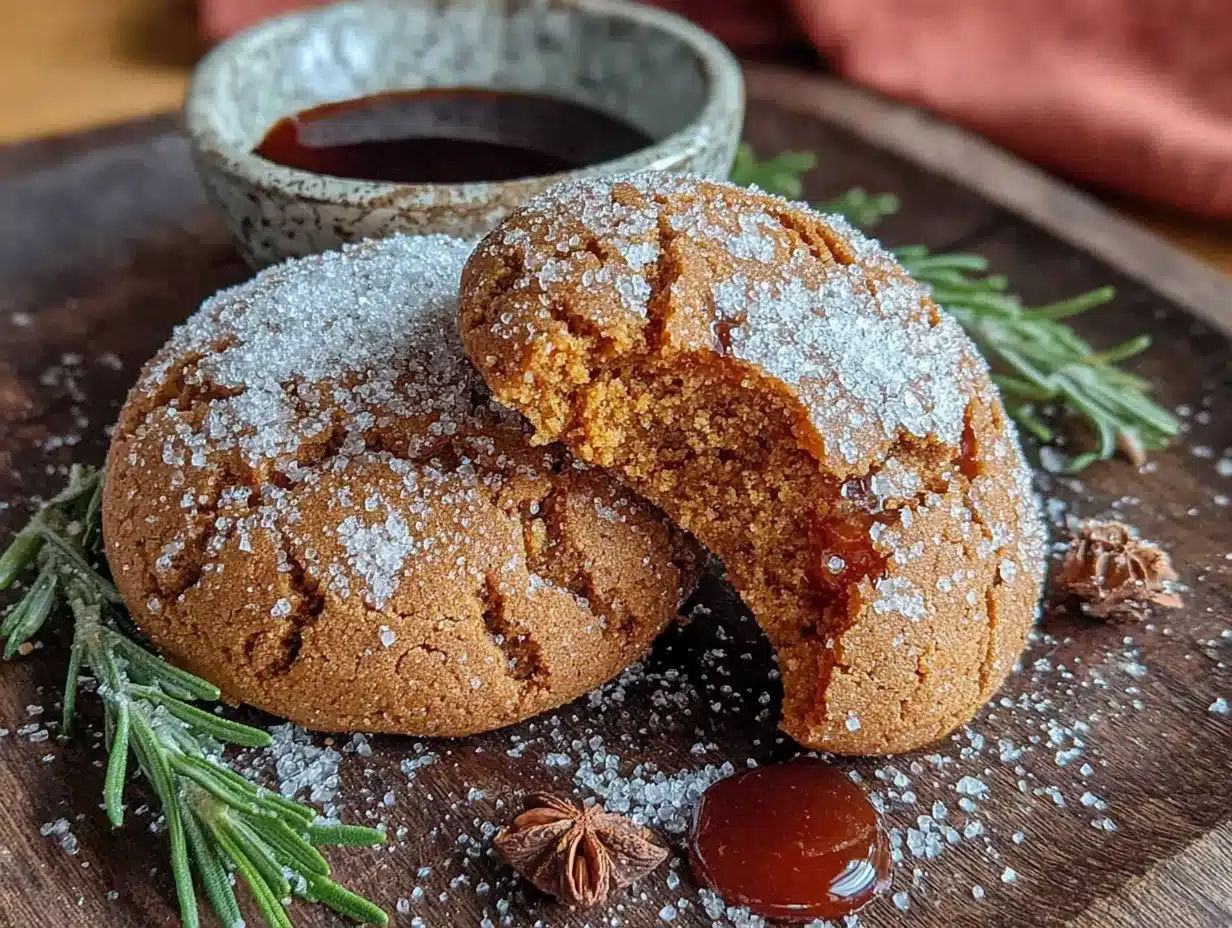
- Granulated sugar (1/4 cup / 50g) — Rolling the dough balls in sugar before baking creates that beautiful sparkly crust and adds a slight crunch to contrast the soft interior.
Equipment Needed
You don’t need a fancy kitchen to make these cookies, but having the right tools makes the process smoother. Here’s what I use every time.
- Stand mixer or hand mixer — I use my KitchenAid for the creaming step, but a hand mixer works just fine. You could even do this by hand with a wooden spoon if you’re patient—it’s a good arm workout.
- Large mixing bowl — Glass or stainless steel works best. Plastic bowls can retain grease and odors.
- Cookie scoop (1.5-tablespoon size) — This is my favorite tool for uniform cookies. I have a OXO one that cost about $10 and it’s lasted for years. If you don’t have one, use two spoons to portion the dough.
- Baking sheets (2, light-colored) — Dark baking sheets absorb more heat and can cause the bottoms of your cookies to burn before the centers are done. Stick with light-colored aluminum sheets.
- Parchment paper or silicone baking mats — Parchment paper is my preference because it’s disposable and gives the best browning. Silicone mats work too, but they can make cookies spread slightly more.
- Wire cooling rack — Essential for letting the cookies cool evenly. If you leave them on the hot baking sheet, they’ll continue to cook and can become overdone.
- Measuring cups and spoons — For accuracy, especially with the molasses. Spray your measuring cup with nonstick spray before measuring molasses, and it will slide right out.
Preparation Method
Alright, let’s make some cookies. This process is straightforward, but I’ll walk you through every step with the little details that make the difference between good cookies and unforgettable ones.
- Preheat your oven to 350°F (175°C). Line two baking sheets with parchment paper. I like to do this before I start mixing so the oven is fully heated by the time the dough is ready.
- Cream the butter and sugar. In a large mixing bowl (or the bowl of your stand mixer), beat the softened butter and dark brown sugar together on medium speed for 3 to 4 minutes. I know that seems like a long time, but trust me—you want it light, fluffy, and pale. This is where the texture of your cookies is decided. Scrape down the sides and bottom of the bowl halfway through to make sure everything is incorporated.
- Add the wet ingredients. Pour in the molasses, the room-temperature egg, and the vanilla extract. Beat on medium speed for another 2 minutes until the mixture is smooth and glossy. It might look a little separated at first—that’s normal. Keep beating until it comes together into a thick, uniform batter.
- Whisk the dry ingredients separately. In a medium bowl, whisk together the flour, baking soda, ginger, cinnamon, cloves, nutmeg, and salt. Whisking aerates the flour and distributes the spices evenly. I usually give it about 20-30 seconds of vigorous whisking.
- Combine wet and dry. With the mixer on low speed, gradually add the dry ingredients to the wet mixture. Mix just until the flour disappears—about 30 seconds. Overmixing at this stage develops gluten and makes the cookies tough. You want to stop as soon as you don’t see any more streaks of flour. The dough will be soft, slightly sticky, and smell incredible.
- Portion the dough. Using your cookie scoop or two spoons, portion the dough into 1.5-tablespoon balls (about the size of a walnut). If you’re using the sugar coating, roll each ball in granulated sugar and place them on the prepared baking sheets about 2 inches apart. These cookies spread, so give them room.
- Bake immediately. Don’t chill the dough. Place the baking sheets in the oven and bake for 9 to 11 minutes. At 9 minutes, the cookies will be very soft and puffy. At 11 minutes, they’ll be slightly firmer but still soft in the center. I personally pull mine at 10 minutes—the edges are set, the tops are crackled, and the centers look slightly underdone. That’s exactly what you want.
- Cool on the baking sheet. Let the cookies rest on the hot baking sheet for exactly 5 minutes. This is crucial—if you move them too soon, they’ll fall apart. During these 5 minutes, they continue to set up while staying soft in the middle. After 5 minutes, transfer them to a wire cooling rack to cool completely.
- Repeat with remaining dough. If you’re reusing the same baking sheets, let them cool completely between batches. Placing dough on a hot sheet will cause the butter to melt immediately, leading to flat, greasy cookies.
Cooking Tips & Techniques
After making these cookies dozens of times, I’ve learned a few things the hard way. Here are my best tips to ensure your cookies turn out perfect every single time.
Don’t overbake. This is the number one mistake people make with soft gingerbread cookies. When you pull them out of the oven, they should look puffy and slightly underdone in the center. They’ll continue to set as they cool on the baking sheet. If you wait until they look fully done in the oven, you’ll end up with dry, cakey cookies. I learned this lesson the hard way when I made a batch for a cookie exchange and ended up with cookies that crumbled into dust by the next morning.
Measure your flour correctly. I cannot stress this enough. Scooping flour directly from the bag can add up to 25% more flour to your recipe. Use the spoon-and-level method: fluff the flour with a spoon, spoon it into your measuring cup, then level it off with a straight edge. It takes an extra 10 seconds and makes a world of difference.
Use room temperature ingredients. Cold butter doesn’t cream properly, and cold egg can seize up your batter. Set your butter and egg out on the counter about 30 minutes before you start baking. If you’re in a hurry, you can microwave the butter in 5-second bursts until it’s soft but not melted.
Rotate your baking sheets halfway through. Most ovens have hot spots. Halfway through the baking time (around the 5-minute mark), swap the top and bottom sheets and rotate them front to back. This ensures even browning and baking.
Test your baking soda. If your baking soda has been sitting in the cabinet for more than 6 months, it may have lost its potency. Drop a pinch into a small bowl of vinegar—if it fizzes vigorously, it’s still good. If it barely reacts, replace it. Flat baking soda means flat cookies.
Variations & Adaptations
One of the things I love most about this recipe is how adaptable it is. Here are some of my favorite variations, all tested and approved.
Gluten-Free Version: Substitute the all-purpose flour with a 1:1 gluten-free baking flour blend that contains xanthan gum. I’ve had great results with Bob’s Red Mill 1:1 Baking Flour. The cookies will be slightly more tender and might spread a tiny bit more, but the flavor is spot-on.
Vegan Adaptation: Replace the butter with vegan butter (I like Earth Balance buttery sticks) and use a flax egg (1 tablespoon ground flaxseed mixed with 3 tablespoons water, let sit for 5 minutes). The cookies will be slightly less rich but still deliciously soft and spiced.
Spice It Up: For a bolder gingerbread, add 1/4 teaspoon of black pepper and 1/8 teaspoon of cayenne pepper to the dry ingredients. It sounds weird, I know, but the heat enhances the ginger and creates a more complex, grown-up cookie. I tried this on a whim during a Christmas baking marathon, and it’s become my secret weapon for adult cookie platters.
Add-Ins: Fold in 1/2 cup of finely chopped crystallized ginger for little bursts of spicy sweetness. Or add 1/2 cup of white chocolate chips for a sweeter, creamier contrast to the molasses. Dark chocolate chips work beautifully too—the bitterness balances the sweetness.
Iced Version: Once the cookies are completely cool, drizzle them with a simple glaze made from 1 cup of powdered sugar mixed with 2 tablespoons of milk and 1/2 teaspoon of vanilla extract. Let the glaze set for about 30 minutes before stacking or serving.
Serving & Storage Suggestions
These cookies are incredibly versatile when it comes to serving. Here’s how I handle them from the oven to the table.
Serving Temperature: These cookies are at their absolute best when they’ve cooled for about 20-30 minutes after baking. The centers are still slightly warm, the edges are set, and the texture is at its peak softness. If you’re serving them at a party, bake them an hour before guests arrive and let them cool on the counter.
Presentation Ideas: For holiday gatherings, I arrange these on a large wooden board or a white platter, alternating with plain shortbread cookies and chocolate crinkles for color contrast. A dusting of powdered sugar through a fine-mesh sieve adds a snowy effect that looks beautiful against the dark cookies.
What to Serve Alongside: These cookies pair beautifully with a hot cup of spiced chai, a cold glass of milk, or a mug of mulled cider. For an adult gathering, they’re fantastic with a dark rum or a bourbon old fashioned—the molasses notes in the cookies complement the caramel and oak flavors in the spirits.
Storage: Store these cookies in an airtight container at room temperature for up to 5 days. To keep them extra soft, add a slice of plain white bread to the container. The bread absorbs excess air and releases moisture, keeping the cookies tender. Replace the bread slice every other day. I’ve kept cookies soft for over a week using this trick.
Freezing: These cookies freeze beautifully. Place cooled cookies in a single layer in a freezer-safe container, separating layers with parchment paper. They’ll keep for up to 3 months. To thaw, let them sit at room temperature for about 30 minutes. You can also freeze the unbaked dough balls—just portion them, place them on a baking sheet, freeze until solid, then transfer to a freezer bag. Bake from frozen, adding 2-3 minutes to the baking time.
Nutritional Information & Benefits
While these are definitely a treat, there are a few redeeming qualities worth mentioning. Per cookie (based on 24 cookies), here’s the approximate breakdown:
- Calories: 165
- Total Fat: 8g
- Saturated Fat: 5g
- Carbohydrates: 22g
- Sugar: 14g
- Protein: 2g
- Sodium: 95mg
- Fiber: 0.5g
Health Highlights: Molasses is actually a decent source of iron, calcium, magnesium, and potassium. A tablespoon of molasses contains about 3.5 mg of iron—that’s about 20% of the daily recommended intake. Ginger has anti-inflammatory properties and has been used for centuries to aid digestion. So while I wouldn’t call these health food, they’re not completely devoid of nutritional value either.
Dietary Considerations: This recipe contains wheat (gluten), dairy (butter), and eggs. For gluten-free and vegan options, see the variations section above. These cookies are nut-free as written, making them safe for school events and parties where nut allergies are a concern.
Conclusion
These soft gingerbread cookies with molasses have become my signature holiday bake, and I honestly can’t imagine the season without them. They’re the cookies I bring to every party, the ones I mail to friends who live far away, and the ones that disappear fastest from the cookie platter every single time. There’s something about that soft, pillowy texture paired with the deep, warm spice that just feels like comfort in edible form.
What I love most about this recipe is how forgiving it is. You don’t need to be a professional baker. You don’t need special equipment. You just need good ingredients, a little patience, and the willingness to pull them out of the oven when they still look slightly underdone. That’s the secret—trusting the process even when it feels wrong.
I’d love to hear how these turn out for you! Leave a comment below and let me know if you tried any variations, if you served them at a holiday gathering, or if you made them at 11 PM on a Tuesday like I did. Share a photo on Pinterest and tag me—I always love seeing your bakes. Until next time, happy baking, and may your kitchen always smell like ginger and molasses.
Frequently Asked Questions
Can I use light brown sugar instead of dark brown sugar?
You can, but the cookies won’t be as soft or as deeply flavored. Dark brown sugar has more molasses content, which adds moisture and that rich, caramel-like depth. If you only have light brown sugar, add an extra tablespoon of molasses to compensate.
Why did my cookies turn out flat?
Flat cookies usually mean one of three things: your butter was too soft or melted, your baking soda is expired, or your flour was under-measured. Make sure your butter is softened but not greasy, test your baking soda for freshness, and use the spoon-and-level method for your flour.
Can I chill the dough and bake later?
You can, but the texture will change slightly. Chilled dough will produce thicker, slightly less spread cookies with a more cake-like texture. If you do chill the dough, let it sit at room temperature for 10-15 minutes before scooping and baking, or add 1-2 minutes to the baking time.
How do I keep the cookies soft for days?
Store them in an airtight container with a slice of white bread. The bread releases moisture and absorbs excess air, keeping the cookies soft. Replace the bread every 2-3 days. I’ve kept these cookies soft for over a week using this trick.
Can I double this recipe?
Absolutely! This recipe doubles beautifully. Just make sure you have enough baking sheets and space in your oven. If you’re making a double batch, I recommend mixing the dough in two separate bowls to ensure everything is evenly incorporated.
Pin This Recipe!
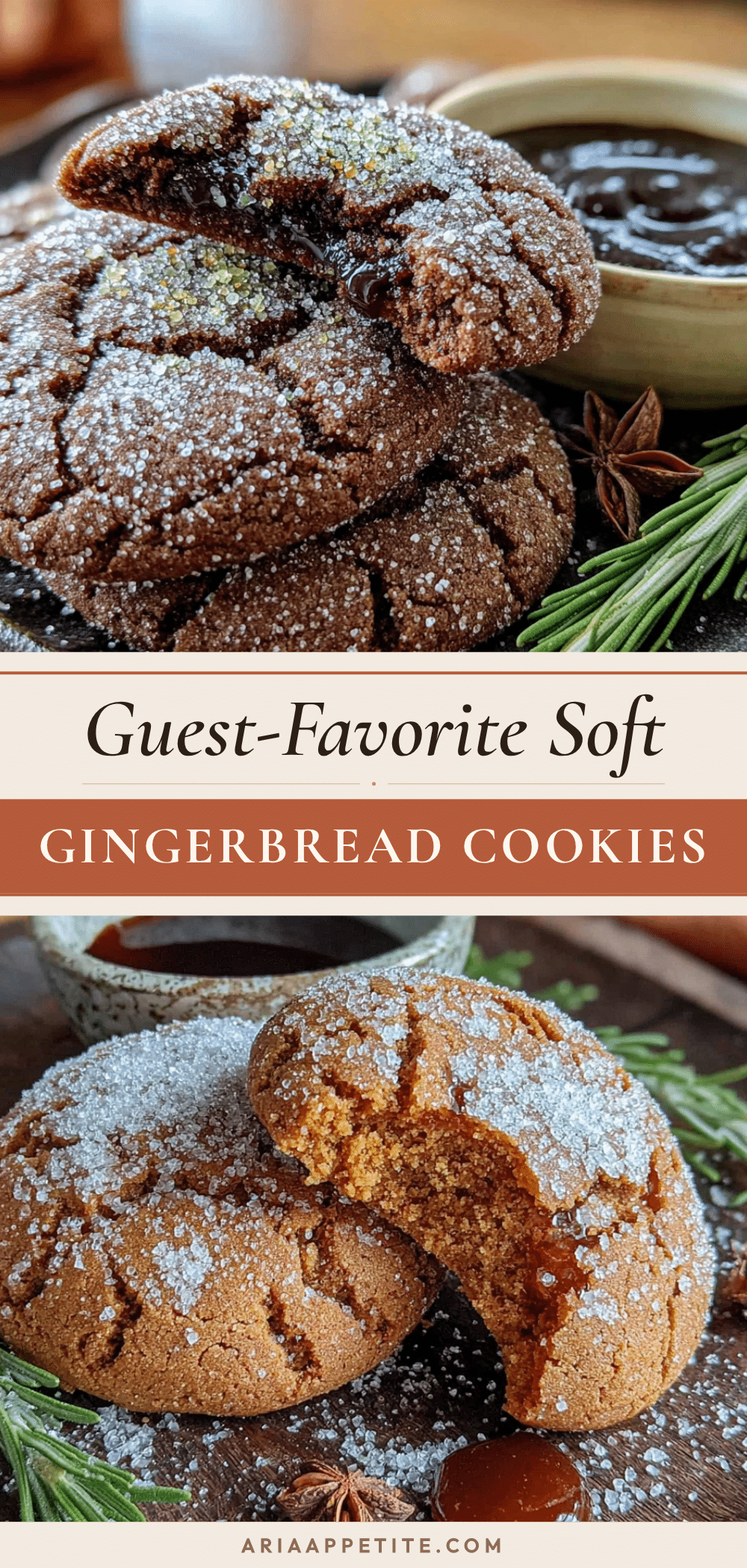
The Best Soft Gingerbread Cookies with Molasses
These soft, pillowy gingerbread cookies with deep molasses flavor and crackled tops are a happy accident turned go-to recipe. No chilling required, they come together in under 20 minutes and stay tender for days.
- Prep Time: 15 minutes
- Cook Time: 10 minutes
- Total Time: 25 minutes
- Yield: 24 cookies 1x
- Category: Dessert
- Cuisine: American
Ingredients
- 1 cup (2 sticks) unsalted butter, softened
- 1 cup (200g) dark brown sugar, packed
- 1/2 cup (170g) Grandma’s Molasses (unsulphured)
- 1 large egg, room temperature
- 1 teaspoon vanilla extract
- 2 1/4 cups (280g) all-purpose flour, spooned and leveled
- 2 teaspoons baking soda
- 2 teaspoons ground ginger
- 1 1/2 teaspoons ground cinnamon
- 1/2 teaspoon ground cloves
- 1/4 teaspoon ground nutmeg
- 1/2 teaspoon fine sea salt
- 1/4 cup (50g) granulated sugar (for rolling, optional)
Instructions
- Preheat your oven to 350°F (175°C). Line two baking sheets with parchment paper.
- In a large mixing bowl, beat the softened butter and dark brown sugar together on medium speed for 3 to 4 minutes until light, fluffy, and pale. Scrape down the sides and bottom of the bowl halfway through.
- Add the molasses, room-temperature egg, and vanilla extract. Beat on medium speed for another 2 minutes until smooth and glossy.
- In a medium bowl, whisk together the flour, baking soda, ginger, cinnamon, cloves, nutmeg, and salt for 20-30 seconds.
- With the mixer on low speed, gradually add the dry ingredients to the wet mixture. Mix just until the flour disappears, about 30 seconds. Do not overmix.
- Using a cookie scoop or two spoons, portion the dough into 1.5-tablespoon balls (about the size of a walnut). If using the sugar coating, roll each ball in granulated sugar and place them on the prepared baking sheets about 2 inches apart.
- Bake immediately (do not chill the dough) for 9 to 11 minutes. At 9 minutes, cookies will be very soft and puffy; at 11 minutes, they’ll be slightly firmer but still soft in the center. Pull them when the edges are set and centers look slightly underdone.
- Let the cookies rest on the hot baking sheet for exactly 5 minutes. Then transfer them to a wire cooling rack to cool completely.
- Repeat with remaining dough, letting baking sheets cool completely between batches.
Notes
Don’t overbake—cookies should look slightly underdone in the center when pulled from the oven. Measure flour using the spoon-and-level method. Use room temperature ingredients. Rotate baking sheets halfway through baking. Test baking soda for freshness. For extra softness, store with a slice of white bread in an airtight container.
Nutrition
- Serving Size: 1 cookie
- Calories: 165
- Sugar: 14
- Sodium: 95
- Fat: 8
- Saturated Fat: 5
- Carbohydrates: 22
- Fiber: 0.5
- Protein: 2
Keywords: soft gingerbread cookies, molasses cookies, no chill gingerbread, chewy gingerbread, holiday cookies, Christmas cookies