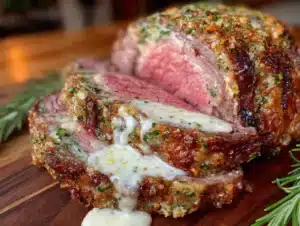
Love this? Save it for later!
Share the inspiration with your friends
I was standing in my neighbor Claire’s kitchen last Tuesday, helping her unpack yet another grocery delivery, when the sharp, sweet smell of something hit me from across the counter. It was her dressing—a little bowl of it sitting next to a pile of arugula—and suddenly I was nine years old, standing on a step stool in my aunt’s tiny apartment, watching her shake a jar of honey and mustard and lemon juice like it was a magic trick. I had completely forgotten about that memory. But there it was, right in the middle of Claire’s kitchen, as clear as the day it happened. My aunt passed away a few years ago, and I don’t have her recipe written down anywhere. I just have that feeling—the one where you close your eyes and you’re right back there, watching her wrist flick back and forth, the golden liquid swirling around the glass. I wanted that feeling back, honestly. So I went home and started shaking jars of my own. This honey dijon lemon vinaigrette is what came out of it. It’s not her exact recipe—I don’t think I could ever get it perfect—but it’s close enough that when I tasted it, I smiled. Maybe you’ve been there, chasing a flavor you can almost but not quite hold onto. This dressing is my attempt to catch it. And let me tell you, it only takes five minutes to make.
Why You’ll Love This Recipe
Let’s face it—you’re busy. You don’t have time to whisk together a complicated emulsion or hunt down fancy ingredients at three different stores. This honey dijon lemon vinaigrette is the kind of recipe that respects your time. It comes together in five minutes flat, uses stuff you probably already have in your fridge and pantry, and makes every salad taste like you actually tried.
- Quick & Easy: From start to finish, this dressing takes about five minutes. No cooking, no special techniques. Just shake or whisk and you’re done.
- Simple Ingredients: You need honey, Dijon mustard, lemon juice, olive oil, salt, and pepper. That’s it. No weird vinegars or obscure spices.
- Perfect for Weeknights: When you’re tired and hungry, the last thing you want to do is make a complicated dressing. This one is ready before you’ve even washed the lettuce.
- Crowd-Pleaser: I’ve brought this to potlucks and family dinners, and people always ask for the recipe. It’s tangy, sweet, and just a little bit punchy.
- Unbelievably Delicious: The balance here is key. The honey softens the sharpness of the lemon and mustard, while the olive oil gives it a silky finish. It’s comfort in a jar.
What makes this one different from every other vinaigrette out there? It’s the ratio. I tested this about seven times before I got it right. Too much mustard and it’s harsh. Too much honey and it’s cloying. This version? It’s just right. It’s the one I keep coming back to, even when I have a fridge full of store-bought bottles staring at me.
What Ingredients You Will Need
This honey dijon lemon vinaigrette uses simple, wholesome ingredients that you probably already have in your kitchen. No fancy trips to a specialty store required. Here’s what you’ll need and why each one matters.
- Honey (3 tablespoons) – Adds natural sweetness that balances the acidity of the lemon and the bite of the mustard. I prefer a mild honey like clover or orange blossom, but any liquid honey works. If your honey is crystallized, just warm the jar in a bowl of hot water for a few minutes.
- Dijon mustard (2 tablespoons) – This is the backbone of the dressing. It adds tang and a little bit of heat, plus it helps emulsify the oil and lemon juice so the dressing stays creamy instead of separating. I like Grey Poupon, but any good Dijon will do. Avoid yellow mustard here—it’s not the same.
- Fresh lemon juice (3 tablespoons, about 1 large lemon) – Fresh is non-negotiable. Bottled lemon juice has a flat, almost metallic taste that throws off the whole dressing. Roll the lemon on the counter before cutting it to get more juice out. Trust me on this.
- Extra virgin olive oil (⅓ cup) – Use a good-quality olive oil here since it’s a main flavor. You don’t need the most expensive bottle, but avoid anything labeled “light” or “pure”—those are more processed and lack flavor. A fruity, medium-intensity olive oil works beautifully.
- Salt (¼ teaspoon, or to taste) – I use fine sea salt. It dissolves quickly and evenly. Kosher salt works too, but you might need a pinch more.
- Black pepper (⅛ teaspoon, freshly ground) – Freshly ground pepper has more aroma and a slight heat that complements the mustard. Pre-ground pepper is fine in a pinch, but fresh really does make a difference.
A quick note on substitutions: If you need this to be vegan, swap the honey for maple syrup or agave nectar. The flavor will change slightly—maple is a little more robust—but it’s still delicious. For a low-FODMAP version, use garlic-infused olive oil instead of regular olive oil and omit the shallot or garlic if you add it later. And if you don’t have Dijon mustard, whole-grain mustard works in a pinch, though the texture will be a little different.
I recommend using a jar with a tight-fitting lid for mixing. A mason jar works perfectly. It makes shaking easy and storing even easier. You can also whisk it in a bowl, but the jar method is faster and means less cleanup.
Equipment Needed
You don’t need much to make this honey dijon lemon vinaigrette, which is part of why I love it so much. Here’s what you’ll need:
- A jar with a tight-fitting lid (16-ounce mason jar or similar) – This is my preferred method. Just toss everything in, screw the lid on tight, and shake like crazy. No whisking, no dirty bowls.
- If you don’t have a jar: A small bowl and a whisk work just fine. You’ll need to whisk vigorously for about 30 seconds to get a good emulsion.
- A citrus juicer or reamer – Not strictly necessary, but it makes squeezing lemons way easier and gets more juice out. I have a simple wooden reamer I got for three dollars, and it’s one of my most-used tools.
- A measuring spoon set – Since the quantities are small, accurate measuring matters. Eyeballing it can lead to a dressing that’s too acidic or too sweet.
- A liquid measuring cup – For the olive oil. I like having a spout for pouring.
If you’re using a jar, that’s really all you need. No food processor, no blender, no fancy gadgets. This is a five-minute recipe, and the equipment list reflects that.
Preparation Method
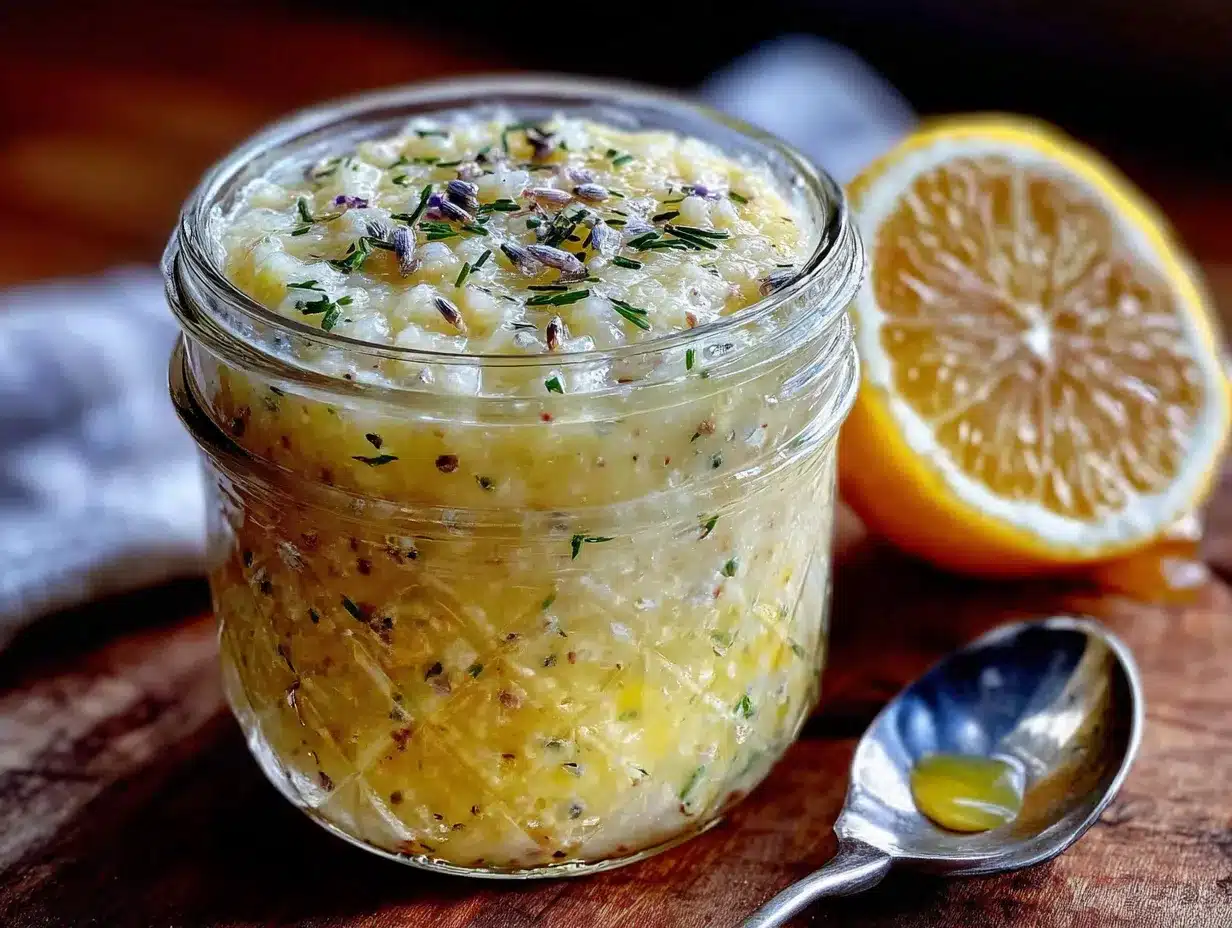
Making this honey dijon lemon vinaigrette is almost too easy, but I’ll walk you through it step by step so you get the perfect balance every time.
- Prepare your lemon. Roll one large lemon on the counter under your palm for about 10 seconds. This helps break down the membranes inside so you get more juice. Cut it in half crosswise (not lengthwise) and juice it until you have 3 tablespoons. Strain out any seeds with your fingers or a small sieve.
- Measure the honey. Spoon 3 tablespoons of honey into your jar or bowl. If your honey is thick and sticky, lightly spray your measuring spoon with nonstick cooking spray first—the honey will slide right off. I learned this trick from a pastry chef friend, and it saves so much frustration.
- Add the Dijon mustard. Spoon in 2 tablespoons of Dijon mustard right on top of the honey. Don’t worry if they touch or mix a little—that’s fine.
- Pour in the lemon juice. Add the 3 tablespoons of fresh lemon juice. At this point, your mixture will look a little separated and maybe a bit ugly. That’s okay. Trust the process.
- Add the olive oil. Measure ⅓ cup of extra virgin olive oil and pour it in. If you’re using a jar, the oil will sit on top of the other ingredients. That’s normal.
- Season with salt and pepper. Add ¼ teaspoon of fine sea salt and ⅛ teaspoon of freshly ground black pepper. If you like a little more kick, add an extra pinch of pepper.
- Shake or whisk. If you’re using a jar, screw the lid on tightly and shake vigorously for about 20-30 seconds. You should hear the ingredients sloshing around, and when you stop, the dressing should look creamy and slightly thickened. If you’re using a bowl, whisk continuously for about 30 seconds until the dressing is emulsified and smooth.
- Taste and adjust. Dip a clean spoon in and taste it. Is it too acidic? Add another teaspoon of honey. Too sweet? Add a squeeze more lemon juice. Too oily? A pinch more mustard will help bind it. This is your dressing—make it taste like you want it to.
- Use or store. Use the dressing immediately, or store it in the jar in the refrigerator for up to a week. The olive oil will solidify slightly when cold, so let it sit at room temperature for about 10 minutes and give it another shake before using.
A few sensory cues: When you shake the jar, listen for the sound of the liquid moving from thick to thin—you’ll hear the pitch change as it emulsifies. When you look at it, the dressing should be a uniform pale yellow, not separated into distinct layers. And when you taste it, the first thing you should notice is the brightness of the lemon, followed by the mild sweetness of the honey, and finally the gentle heat of the mustard. If any one of those is overpowering, adjust accordingly.
Cooking Tips & Techniques
I’ve made this honey dijon lemon vinaigrette more times than I can count, and I’ve definitely made my share of mistakes. Here’s what I’ve learned so you don’t have to repeat them.
Use room temperature ingredients. Cold olive oil straight from the fridge won’t emulsify as well with the other ingredients. If your honey is cold and thick, it’ll be hard to measure and mix. Let everything sit out for about 15 minutes before you start. This one small step makes a big difference in texture.
Don’t skip the emulsification. An emulsion is what keeps the oil and vinegar (or in this case, lemon juice) from separating. The mustard acts as an emulsifier here, but you still need to shake or whisk vigorously. If you just stir gently, you’ll end up with a dressing that separates again within minutes. Shake it like you mean it.
Season in layers. I add salt and pepper at the end because I want to taste the dressing first and adjust. If you add too much salt early, you can’t take it back. Start with less than you think you need, taste, and add more if necessary.
Make a double batch. Honestly, this dressing keeps so well in the fridge that I always make a double batch. It saves time later in the week, and it only takes an extra 30 seconds to shake. I store it in a 16-ounce mason jar and just grab it when I need it.
My biggest failure: The first time I tried to make this, I used bottled lemon juice because I thought I was being clever and saving time. The dressing tasted flat and kind of… weird. I tried to fix it by adding more honey, but then it was too sweet. I ended up throwing the whole thing out and starting over with a real lemon. Never again. Fresh lemon juice is non-negotiable here.
Variations & Adaptations
This honey dijon lemon vinaigrette is a great base recipe, but it’s also incredibly flexible. Here are a few ways to change it up depending on what you’re in the mood for.
Herb Version: Add 1 tablespoon of finely chopped fresh herbs after shaking. Parsley, chives, tarragon, or dill all work beautifully. I love this version in the spring when the herbs in my garden are going crazy. It’s amazing on a simple green salad with goat cheese and walnuts.
Garlic Lover’s Version: Add 1 small clove of garlic, finely minced or grated, to the jar before shaking. Let it sit for about 10 minutes after shaking so the garlic flavor mellows and infuses the dressing. This version is great on grain bowls or as a marinade for chicken.
Spicy Version: Add ¼ teaspoon of red pepper flakes or a small pinch of cayenne pepper along with the salt and pepper. The heat plays really well with the sweetness of the honey. I use this on salads with roasted sweet potatoes and black beans.
Vegan Version: Swap the honey for maple syrup or agave nectar. Maple syrup gives the dressing a slightly more robust, almost autumnal flavor that I really like. Agave is milder and more neutral. Both work well.
Creamy Version: Add 2 tablespoons of Greek yogurt or sour cream to the jar before shaking. This makes the dressing thicker and creamier, almost like a ranch-style vinaigrette. It’s fantastic on a chopped salad with bacon and avocado. For a dairy-free option, use plain coconut yogurt.
Low-FODMAP Version: Use garlic-infused olive oil instead of regular olive oil, and skip the garlic clove if you were planning to add it. The garlic flavor comes through without the FODMAPs that can cause digestive issues for some people.
Serving & Storage Suggestions
This honey dijon lemon vinaigrette is incredibly versatile, and I use it on everything from simple salads to roasted vegetables. Here’s how I like to serve it and store it.
Serving temperature: Serve this dressing at room temperature or slightly warm. If it’s been in the fridge, let it sit out for about 10-15 minutes before using. Cold dressing can make the greens in your salad feel limp and sad. Room temperature dressing coats the leaves better and tastes more vibrant.
What to put it on: Obviously, it’s amazing on any green salad. I love it on a simple mix of arugula, shaved Parmesan, and toasted pine nuts. It’s also fantastic drizzled over roasted vegetables like broccoli, Brussels sprouts, or sweet potatoes. Use it as a marinade for chicken or salmon before grilling. Or toss it with cooked quinoa, chickpeas, and chopped herbs for a quick grain salad. Honestly, I’ve even used it as a dip for crusty bread when I didn’t have anything else.
Storage instructions: Store the dressing in an airtight jar in the refrigerator for up to one week. The olive oil will solidify and become cloudy when cold—that’s completely normal. Just let it come to room temperature and shake it well before using. Do not leave it at room temperature for more than two hours, especially if you added fresh garlic or herbs.
Reheating tips: You don’t really reheat this dressing, but if you want to warm it up slightly, place the sealed jar in a bowl of warm water for a few minutes. Do not microwave it—the honey can seize and the mustard can become bitter.
Flavor development: This dressing actually gets better after a day in the fridge. The flavors meld together and mellow out. I often make it the night before I plan to use it for this reason. Just remember to shake it well before serving.
Nutritional Information & Benefits
Here’s the approximate nutritional breakdown for one serving (about 2 tablespoons) of this honey dijon lemon vinaigrette:
| Nutrient | Amount per Serving |
|---|---|
| Calories | 120 |
| Total Fat | 11g |
| Saturated Fat | 1.5g |
| Carbohydrates | 6g |
| Sugar | 5g |
| Sodium | 150mg |
This dressing is a good source of healthy monounsaturated fats from the olive oil, which are great for heart health. The honey provides a small amount of natural energy, and the lemon juice is packed with vitamin C. The Dijon mustard contains a compound called curcumin, which has anti-inflammatory properties (though you’d need to eat a lot of mustard to get a significant amount).
If you’re watching your sugar intake, you can reduce the honey to 2 tablespoons for a slightly less sweet dressing. If you’re on a low-sodium diet, use less salt or a salt substitute. This dressing is naturally gluten-free and dairy-free (unless you add the creamy version with yogurt).
One thing I love about making my own dressing is that I know exactly what’s in it. No preservatives, no weird additives, no hidden sugars. Just real food that tastes good and makes me feel good.
Conclusion
This honey dijon lemon vinaigrette is the kind of recipe that makes you wonder why you ever bought salad dressing in a bottle. It takes five minutes, uses ingredients you probably already have, and tastes so much better than anything from the store. It’s tangy, sweet, and just a little bit punchy—the perfect balance for any salad, grain bowl, or roasted vegetable you throw at it.
I love this dressing because it reminds me of my aunt’s kitchen, but also because it’s become a staple in my own. I make it every week without fail. I’ve brought it to barbecues, packed it for picnics, and drizzled it over simple weeknight salads when I was too tired to cook anything else. It never lets me down.
Now I want to hear from you. Have you tried making your own salad dressing before? What’s your favorite combination? Leave a comment below and let me know how this honey dijon lemon vinaigrette turned out for you. And if you loved it, share this recipe with a friend who needs a little more homemade goodness in their life. Happy shaking!
Frequently Asked Questions
Can I use apple cider vinegar instead of lemon juice?
Yes, you can substitute apple cider vinegar for the lemon juice. Use the same amount (3 tablespoons), but note that the flavor will be different—more tangy and slightly fruity. It’s still delicious, just not quite the same as the original.
Why did my dressing separate after I shook it?
This is normal! Over time, the oil and lemon juice will naturally separate. Just give it another good shake before using. If it separates very quickly (within minutes), you may not have shaken it vigorously enough. Next time, shake it for a full 30 seconds to create a stronger emulsion.
Can I make this dressing without a jar?
Absolutely. Use a small bowl and a whisk instead. Whisk the honey, mustard, lemon juice, salt, and pepper together first, then slowly drizzle in the olive oil while whisking constantly. This method takes a little more effort but works just as well.
How long will this dressing last in the fridge?
It will keep for up to one week when stored in an airtight jar in the refrigerator. After that, the flavors start to fade and the olive oil can become slightly rancid. I recommend making a fresh batch every week for the best taste.
Can I use this dressing as a marinade?
Yes! This honey dijon lemon vinaigrette makes an excellent marinade for chicken, fish, or tofu. Marinate for at least 30 minutes (or up to 4 hours in the fridge) before cooking. The acid in the lemon juice helps tenderize the protein, while the honey adds a nice caramelization when grilled or roasted.
Pin This Recipe!
Easy Honey Dijon Lemon Vinaigrette (Best 5-Minute Recipe)
This honey dijon lemon vinaigrette comes together in five minutes flat, uses simple ingredients you probably already have, and makes every salad taste like you actually tried. It’s tangy, sweet, and just a little bit punchy—the perfect balance for any salad, grain bowl, or roasted vegetable.
- Prep Time: 5 minutes
- Cook Time: 0 minutes
- Total Time: 5 minutes
- Yield: 4 servings 1x
- Category: Salad Dressing
- Cuisine: American
Ingredients
- 3 tablespoons honey
- 2 tablespoons Dijon mustard
- 3 tablespoons fresh lemon juice (about 1 large lemon)
- ⅓ cup extra virgin olive oil
- ¼ teaspoon fine sea salt
- ⅛ teaspoon freshly ground black pepper
Instructions
- Roll one large lemon on the counter under your palm for about 10 seconds. Cut it in half crosswise and juice it until you have 3 tablespoons. Strain out any seeds.
- Spoon 3 tablespoons of honey into your jar or bowl.
- Add 2 tablespoons of Dijon mustard on top of the honey.
- Pour in 3 tablespoons of fresh lemon juice.
- Measure ⅓ cup of extra virgin olive oil and pour it in.
- Add ¼ teaspoon of fine sea salt and ⅛ teaspoon of freshly ground black pepper.
- If using a jar, screw the lid on tightly and shake vigorously for 20-30 seconds until creamy and emulsified. If using a bowl, whisk continuously for about 30 seconds.
- Taste and adjust: add more honey if too acidic, more lemon juice if too sweet, or more mustard if too oily.
- Use immediately or store in the jar in the refrigerator for up to a week. Let it sit at room temperature for 10 minutes and shake before using.
Notes
Use room temperature ingredients for better emulsification. Fresh lemon juice is non-negotiable. The dressing gets better after a day in the fridge. For a vegan version, swap honey for maple syrup or agave nectar.
Nutrition
- Serving Size: 2 tablespoons
- Calories: 120
- Sugar: 5
- Sodium: 150
- Fat: 11
- Saturated Fat: 1.5
- Carbohydrates: 6
Keywords: honey dijon lemon vinaigrette, easy salad dressing, 5-minute recipe, homemade vinaigrette, honey mustard dressing