Love this? Save it for later!
Share the inspiration with your friends
I was standing in the bulk bin aisle at my local co-op last November, staring at a bag of sorghum flour, when the smell hit me. It wasn’t from the store at all — it was a memory, sharp and sudden, of my neighbor Mrs. Gable’s kitchen when I was maybe seven years old. That warm, almost spicy scent of molasses and ginger that meant she’d been baking all afternoon. She’d always slide a plate of her gingerbread cookies through our back door, still warm, with a little note written on a napkin. “For the little baker,” she’d scribble. I haven’t thought about her in years — she moved away when I was twelve — but in that moment, standing there with my reusable bag, I could feel the slight tackiness of her cookies on my fingers and hear her humming along to the radio. I grabbed the sorghum flour without really thinking about it. I mean, honestly, I wasn’t even sure gluten-free gingerbread was possible. But I had to try. Maybe you’ve had that feeling — when a taste from your past just won’t let go, and you have to figure out how to bring it back.
So I went home, and I messed up the first batch pretty badly. Too dry, too crumbly, not nearly enough spice. The second batch was better, but it was batch number four that finally made me stop and close my eyes for a second. It wasn’t exactly Mrs. Gable’s — it was softer, a little more tender, with a deeper molasses flavor that I actually liked better. And it was gluten-free, which meant I could share it with my friend who’s been avoiding wheat. That’s the thing about chasing a memory through a recipe — you never quite catch the original, but sometimes you end up with something that feels even more like yours.
Why You’ll Love This Recipe
These cookies aren’t just another holiday recipe you’ll make once and forget. They’re the kind that earns a permanent spot in your December rotation, and honestly, I’ve been making them year-round because they’re that good. Let me tell you what makes them special.
- Quick & Easy: From start to finish, these come together in about 30 minutes. No chilling required — which I know is a game-changer when you’re in the middle of holiday chaos and just need cookies now.
- Simple Ingredients: You probably have most of these in your pantry already. No weird flours that require a special trip to three different stores. I tested this with a few different gluten-free blends, and it works beautifully with the common ones.
- Perfect for the Holiday Season: These taste like December in cookie form. They’re great for cookie swaps, gift boxes, or just keeping on your counter for when you need a cozy moment with a cup of tea.
- Crowd-Pleaser: I’ve served these to people who swear they hate gluten-free baked goods, and they always ask for the recipe. No one guesses they’re gluten-free unless I tell them.
- Unbelievably Delicious: The texture is soft and chewy with slightly crisp edges, and the flavor is deep, warm, and perfectly spiced. It’s comfort food that happens to be gluten-free, not gluten-free food that’s trying to be comfort food.
What makes this recipe different from all the other gingerbread cookies out there? It’s the combination of brown rice flour and sorghum flour that gives it that tender, almost melt-in-your-mouth texture without any grittiness. Plus, I use a touch of black pepper — I know, it sounds weird — but it brings out the ginger and molasses in a way that makes people say “what’s in these? they’re incredible.”
This recipe isn’t just good — it’s the kind that makes you close your eyes after the first bite. It’s gingerbread reimagined for everyone, without losing any of the soul-soothing satisfaction you want from a cookie that tastes like home.
What Ingredients You Will Need
This recipe uses simple, wholesome ingredients to deliver bold flavor and satisfying texture without the fuss. Most of these are pantry staples, which makes these cookies perfect for spontaneous baking sessions.
- Gluten-Free All-Purpose Flour Blend (2 cups / 240g): I recommend Bob’s Red Mill 1-to-1 Baking Flour or King Arthur Measure for Measure. These blends already contain xanthan gum, which gives the cookies structure. If your blend doesn’t include it, add 1 teaspoon of xanthan gum separately.
- Sorghum Flour (1/2 cup / 60g): This is my secret ingredient. It adds a slightly sweet, earthy flavor that pairs beautifully with molasses. If you can’t find it, you can substitute with oat flour or more of your gluten-free blend.
- Unsalted Butter (1/2 cup / 113g, softened): Use room temperature butter for the best texture. For a dairy-free version, I’ve had great results with vegan butter sticks — just make sure they’re softened properly.
- Dark Brown Sugar (3/4 cup / 150g, packed): The molasses in brown sugar adds extra depth. Light brown sugar works too, but dark gives you that richer flavor.
- Molasses (1/2 cup / 170g): Use unsulfured molasses — I prefer Grandma’s or Brer Rabbit. Blackstrap molasses is too bitter and strong for this recipe, trust me on this one.
- Large Egg (1, room temperature): Helps bind everything together. For a vegan option, use a flax egg (1 tablespoon ground flaxseed mixed with 3 tablespoons water, let sit for 5 minutes).
- Vanilla Extract (1 teaspoon): Pure vanilla extract makes a difference here, but imitation works in a pinch.
- Ground Ginger (2 teaspoons): Use fresh ground ginger if you can — it makes a big difference. I like The Spice House’s ginger for its potency.
- Ground Cinnamon (1 teaspoon): Adds warmth and sweetness.
- Ground Cloves (1/2 teaspoon): A little goes a long way. Too much and it’ll taste like holiday potpourri.
- Ground Nutmeg (1/4 teaspoon): Freshly grated is amazing if you have it.
- Black Pepper (1/4 teaspoon): I know, I know — but it really works. It adds a subtle warmth that makes the ginger pop.
- Baking Soda (1 teaspoon): Helps the cookies spread and gives them that chewy texture.
- Salt (1/2 teaspoon): Balances the sweetness. I use fine sea salt.
- Granulated Sugar (for rolling, about 1/4 cup): Regular white sugar gives the cookies that sparkly finish and a slight crunch on the outside.
Equipment Needed
You don’t need anything fancy for these cookies, which is part of why I love making them. Here’s what you’ll need:
- Large Mixing Bowl: Any big bowl works — I use my favorite ceramic one that’s seen better days but still gets the job done.
- Electric Hand Mixer or Stand Mixer: You can do this by hand with a wooden spoon, but the mixer makes creaming the butter and sugar much easier. I’ve done both, and honestly, the mixer saves your arm.
- Whisk: For combining the dry ingredients.
- Rubber Spatula: For scraping down the bowl and folding in the last bits of flour.
- Baking Sheets: Two standard half-sheet pans work perfectly. Line them with parchment paper — it makes cleanup so much easier.
- Cookie Scoop: A 1.5-tablespoon scoop gives you consistent cookies. If you don’t have one, use two spoons to portion the dough.
- Cooling Rack: Essential for getting those perfectly crisp edges. If you don’t have one, let the cookies cool on the baking sheet for a few extra minutes.
- Parchment Paper: I buy the pre-cut sheets because I’m lazy and they fit perfectly. Regular parchment rolls work fine too.
My one tip here: invest in good baking sheets. I used to use cheap, thin ones, and my cookies always burned on the bottom. A good-quality, light-colored baking sheet makes a world of difference.
Preparation Method
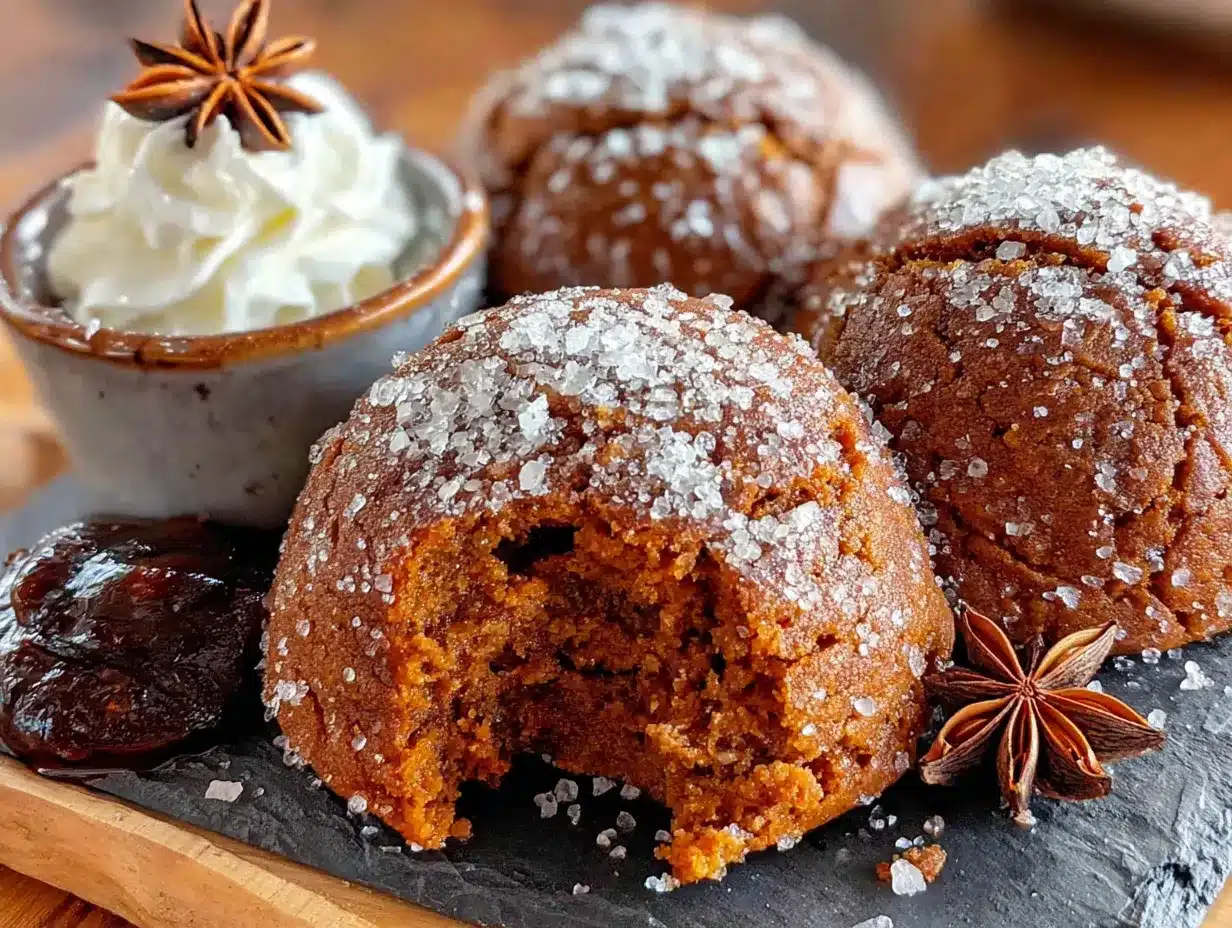
Let’s get baking! This process is straightforward, but I’ve included all the little details I’ve learned from making these cookies about twenty times now.
- Preheat your oven to 350°F (175°C). Line two baking sheets with parchment paper. This is one of those steps you don’t want to skip — the parchment ensures even baking and easy cleanup.
- Whisk together the dry ingredients. In a medium bowl, combine the gluten-free flour blend, sorghum flour, ground ginger, cinnamon, cloves, nutmeg, black pepper, baking soda, and salt. Whisk until everything is evenly distributed. I like to do this for a full 30 seconds to make sure the baking soda is well incorporated — nobody wants a pocket of baking soda in their cookie.
- Cream the butter and sugar. In a large mixing bowl, beat the softened butter and packed brown sugar together until light and fluffy, about 3 minutes with an electric mixer on medium speed. Scrape down the sides of the bowl halfway through. The mixture should look pale and almost doubled in volume.
- Add the wet ingredients. Beat in the molasses, egg, and vanilla extract until well combined. The mixture might look a little separated at this point — that’s totally normal, don’t panic. It will come together when you add the flour.
- Gradually add the dry ingredients. With the mixer on low speed, add the flour mixture in thirds, mixing just until combined after each addition. You don’t want to overmix here — gluten-free dough can get tough if you work it too much. Use your rubber spatula to scrape down the bowl and fold in any last bits of flour that the mixer missed.
- Portion the dough. Using your cookie scoop or two spoons, scoop rounded tablespoons of dough (about 1.5 tablespoons each). Roll each portion into a smooth ball between your palms. The dough will be slightly sticky — that’s okay. If it’s too sticky to handle, pop it in the fridge for 10 minutes.
- Roll in sugar. Pour the granulated sugar into a small bowl. Roll each dough ball in the sugar until completely coated. This gives the cookies that beautiful crackled look and a sweet, slightly crunchy exterior.
- Place on baking sheets. Arrange the sugared dough balls on the prepared baking sheets, spacing them about 2 inches apart. They’ll spread a bit, so give them room. I usually fit 12 cookies per sheet.
- Bake for 10-12 minutes. Bake one sheet at a time on the center rack. The cookies are done when the edges are set and the tops are cracked and slightly puffed. The centers will look soft — that’s exactly what you want. They’ll continue to set as they cool.
- Cool properly. Let the cookies cool on the baking sheet for 5 minutes. This is crucial — if you try to move them too soon, they’ll fall apart. After 5 minutes, transfer them to a wire rack to cool completely. The edges will crisp up as they cool.
Cooking Tips & Techniques
I’ve made enough mistakes with these cookies to fill a small notebook, so let me save you some trouble. Here are the things I wish I’d known from the start.
Don’t overbake them. This is the number one mistake I made. Gluten-free cookies can go from perfectly soft to dry and crumbly in about 30 seconds. Pull them out when the edges are just set and the centers still look a little underdone. They’ll firm up as they cool, and you’ll get that perfect chewy texture.
Room temperature ingredients matter. I know, I know — who has time to wait for butter to soften? But cold butter won’t cream properly with the sugar, and you’ll end up with dense, flat cookies. If you’re in a hurry, cut the butter into small cubes and let it sit for 15 minutes. For the egg, place it in a bowl of warm water for 5 minutes.
Measure your flour correctly. Gluten-free flours are lighter than wheat flour, so if you scoop directly from the bag, you’ll end up with too much. Use the spoon-and-level method: spoon the flour into your measuring cup, then level it off with a knife. This makes a huge difference in texture.
Let the dough rest if needed. Sometimes gluten-free dough needs a few minutes to hydrate properly. If your dough feels too dry or crumbly, let it sit for 10 minutes before scooping. The flours will absorb the moisture and the dough will come together beautifully.
Use a cookie scoop for consistent size. This isn’t just about aesthetics — cookies that are the same size bake evenly. I learned this the hard way when my first batch had some burnt and some underdone.
Variations & Adaptations
One of the best things about this recipe is how adaptable it is. Here are some variations I’ve tried and loved:
Vegan Version: Replace the butter with vegan butter sticks and use a flax egg (1 tablespoon ground flaxseed mixed with 3 tablespoons water). The texture will be slightly softer but still delicious. I’ve made this for a friend’s holiday party, and no one could tell the difference.
Spiced-Up Version: Add 1/4 teaspoon of cardamom and a pinch of cayenne pepper for a more complex, slightly spicy cookie. This is my husband’s favorite version — he says it tastes like Christmas with a kick.
Iced Version: Once the cookies are completely cool, drizzle them with a simple glaze made from 1 cup powdered sugar, 2 tablespoons milk (or dairy-free milk), and 1/2 teaspoon vanilla extract. The glaze adds a lovely sweetness and makes them look extra fancy for gift-giving.
Sandwich Cookies: Spread a thin layer of cream cheese frosting (or vegan cream cheese frosting) between two cookies for an indulgent treat. I did this for a cookie swap last year, and they were the first to disappear.
Low-Sugar Version: Replace the brown sugar with coconut sugar and use a sugar-free sweetener for rolling. The cookies will be less sweet but still flavorful. I’ve tried this for a friend who’s watching her sugar intake, and she was thrilled.
Serving & Storage Suggestions
These cookies are best served at room temperature with a tall glass of cold milk or a steaming cup of chai tea. They’re perfect for holiday cookie platters, afternoon snacks, or late-night cravings when you need something sweet and comforting.
For storage, keep the cookies in an airtight container at room temperature for up to 5 days. Place a slice of bread in the container — it absorbs excess moisture and keeps the cookies soft. Replace the bread slice every couple of days if you’re storing them longer.
These cookies freeze beautifully. Place them in a single layer in a freezer-safe container, separating layers with parchment paper. They’ll keep for up to 3 months. To thaw, let them sit at room temperature for about 30 minutes, or pop them in a 300°F oven for 5 minutes for that fresh-baked taste.
One thing I love about these cookies is that the flavors actually deepen after a day or two. The molasses and spices meld together, and the texture becomes even more tender. So if you can resist eating them all on day one, you’re in for a treat.
Nutritional Information & Benefits
Per cookie (based on 24 cookies): approximately 140 calories, 6g fat, 22g carbohydrates, 1g fiber, 12g sugar, 2g protein.
These cookies offer some surprising nutritional benefits thanks to their ingredients. Molasses is rich in iron, calcium, and magnesium — it’s actually one of the more nutrient-dense sweeteners out there. The sorghum flour adds fiber and protein, and the ginger has anti-inflammatory properties. So while these are definitely a treat, they’re not completely empty calories.
This recipe is naturally gluten-free, which makes it suitable for those with celiac disease or gluten sensitivity. It can easily be made dairy-free and vegan with the substitutions mentioned above. The cookies contain eggs and dairy in their standard form, so keep that in mind for allergies.
I like to think of these as a “better-for-you” cookie — they satisfy that craving for something sweet and comforting without the crash you get from overly processed treats. Plus, making them yourself means you know exactly what’s going into them.
Conclusion
These cozy molasses gingerbread cookies have become a staple in my kitchen, and I have a feeling they’ll become one in yours too. They’re the kind of cookie that brings people together — whether you’re sharing them at a holiday party, mailing them to a friend who needs a pick-me-up, or just keeping them all to yourself with a good book and a cup of tea.
What I love most about this recipe is how forgiving it is. It’s perfect for beginner bakers who are nervous about gluten-free baking, but it’s also sophisticated enough to impress experienced cooks. The key is to trust the process and not overthink it. If your first batch isn’t perfect, that’s okay — mine wasn’t either. That’s how we learn.
I’d love to hear how these turn out for you! Drop a comment below and let me know if you tried any variations, what you served them with, or just how many you ate in one sitting (no judgment here). And if you share them on social media, tag me — I love seeing your baking adventures. Happy baking, friends!
Frequently Asked Questions
Can I use a different gluten-free flour blend?
Absolutely! I’ve tested this recipe with several blends, and it works well with most all-purpose gluten-free flour blends that contain xanthan gum. If your blend doesn’t include xanthan gum, add 1 teaspoon separately. Avoid coconut flour or almond flour alone — they’ll change the texture significantly.
Why did my cookies spread too much?
This usually happens if the butter was too soft or the dough wasn’t chilled enough. Next time, try chilling the dough for 15-20 minutes before scooping. Also, make sure your baking soda is fresh — old baking soda won’t provide enough structure.
Can I make the dough ahead of time?
Yes! You can prepare the dough up to 3 days in advance and keep it in the refrigerator. Let it sit at room temperature for about 10 minutes before scooping, as it will be quite firm. You can also freeze the dough balls for up to 3 months — just bake them straight from frozen, adding 2-3 minutes to the baking time.
How do I get that perfect crackled top?
The crackled top comes from rolling the dough balls in granulated sugar before baking. Make sure you coat them thoroughly, and don’t skip this step. The sugar creates that beautiful crackled effect as the cookies spread and puff up in the oven.
Can I use blackstrap molasses instead of regular molasses?
I wouldn’t recommend it. Blackstrap molasses is much stronger and more bitter than regular unsulfured molasses. It will overpower the other spices and make the cookies taste harsh. Stick with unsulfured molasses for the best flavor and texture.
Pin This Recipe!
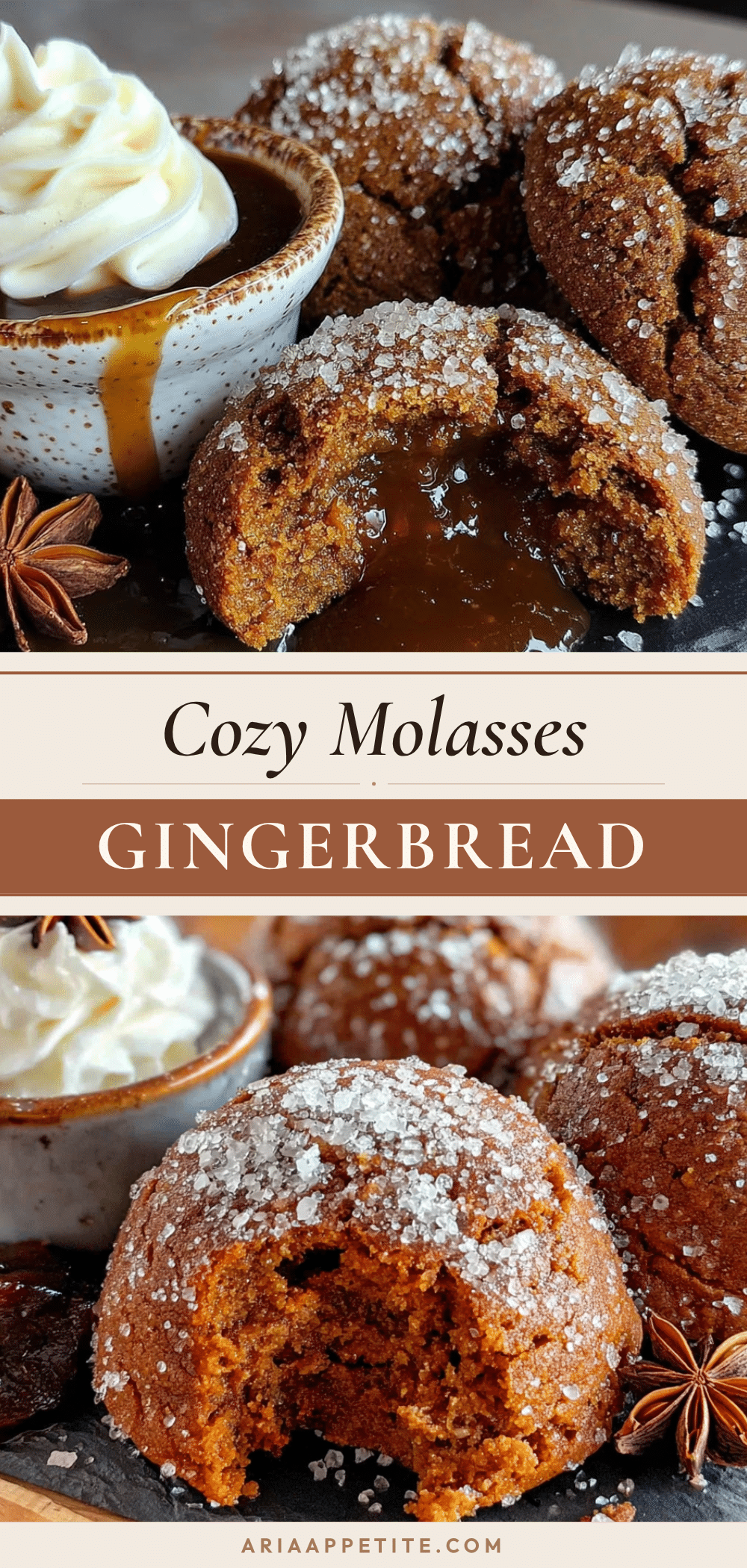
Cozy Molasses Gingerbread Cookies: Easy Gluten-Free Recipe
These soft and chewy gluten-free gingerbread cookies are packed with warm spices and deep molasses flavor. Perfect for holiday baking, they come together in about 30 minutes with no chilling required.
- Prep Time: 15 minutes
- Cook Time: 12 minutes
- Total Time: 27 minutes
- Yield: 24 cookies 1x
- Category: Dessert
- Cuisine: American
Ingredients
- 2 cups (240g) gluten-free all-purpose flour blend (e.g., Bob’s Red Mill 1-to-1 Baking Flour or King Arthur Measure for Measure)
- 1/2 cup (60g) sorghum flour
- 1/2 cup (113g) unsalted butter, softened
- 3/4 cup (150g) dark brown sugar, packed
- 1/2 cup (170g) unsulfured molasses
- 1 large egg, room temperature
- 1 teaspoon vanilla extract
- 2 teaspoons ground ginger
- 1 teaspoon ground cinnamon
- 1/2 teaspoon ground cloves
- 1/4 teaspoon ground nutmeg
- 1/4 teaspoon black pepper
- 1 teaspoon baking soda
- 1/2 teaspoon fine sea salt
- 1/4 cup granulated sugar (for rolling)
Instructions
- Preheat oven to 350°F (175°C). Line two baking sheets with parchment paper.
- In a medium bowl, whisk together gluten-free flour blend, sorghum flour, ground ginger, cinnamon, cloves, nutmeg, black pepper, baking soda, and salt until evenly distributed.
- In a large mixing bowl, beat softened butter and packed brown sugar together with an electric mixer on medium speed until light and fluffy, about 3 minutes. Scrape down sides halfway through.
- Beat in molasses, egg, and vanilla extract until well combined.
- With mixer on low speed, gradually add dry ingredients in thirds, mixing just until combined after each addition. Use a rubber spatula to fold in any remaining flour.
- Using a cookie scoop or two spoons, scoop rounded tablespoons of dough (about 1.5 tablespoons each). Roll each portion into a smooth ball.
- Pour granulated sugar into a small bowl. Roll each dough ball in sugar until completely coated.
- Place sugared dough balls on prepared baking sheets, spacing them about 2 inches apart.
- Bake one sheet at a time on center rack for 10-12 minutes, until edges are set and tops are cracked and slightly puffed. Centers will look soft.
- Let cookies cool on baking sheet for 5 minutes, then transfer to a wire rack to cool completely.
Notes
For best results, use room temperature ingredients. Do not overbake; cookies will firm up as they cool. For a dairy-free version, use vegan butter sticks. For a vegan version, replace egg with a flax egg (1 tablespoon ground flaxseed mixed with 3 tablespoons water). The dough can be made up to 3 days ahead and refrigerated. Cookies freeze well for up to 3 months.
Nutrition
- Serving Size: 1 cookie
- Calories: 140
- Sugar: 12
- Sodium: 120
- Fat: 6
- Saturated Fat: 3.5
- Carbohydrates: 22
- Fiber: 1
- Protein: 2
Keywords: gluten-free gingerbread cookies, molasses cookies, gluten-free Christmas cookies, easy gingerbread recipe, soft gingerbread cookies